
Chinese Motorcycle Makers Challenge Establishment at EICMA 2026

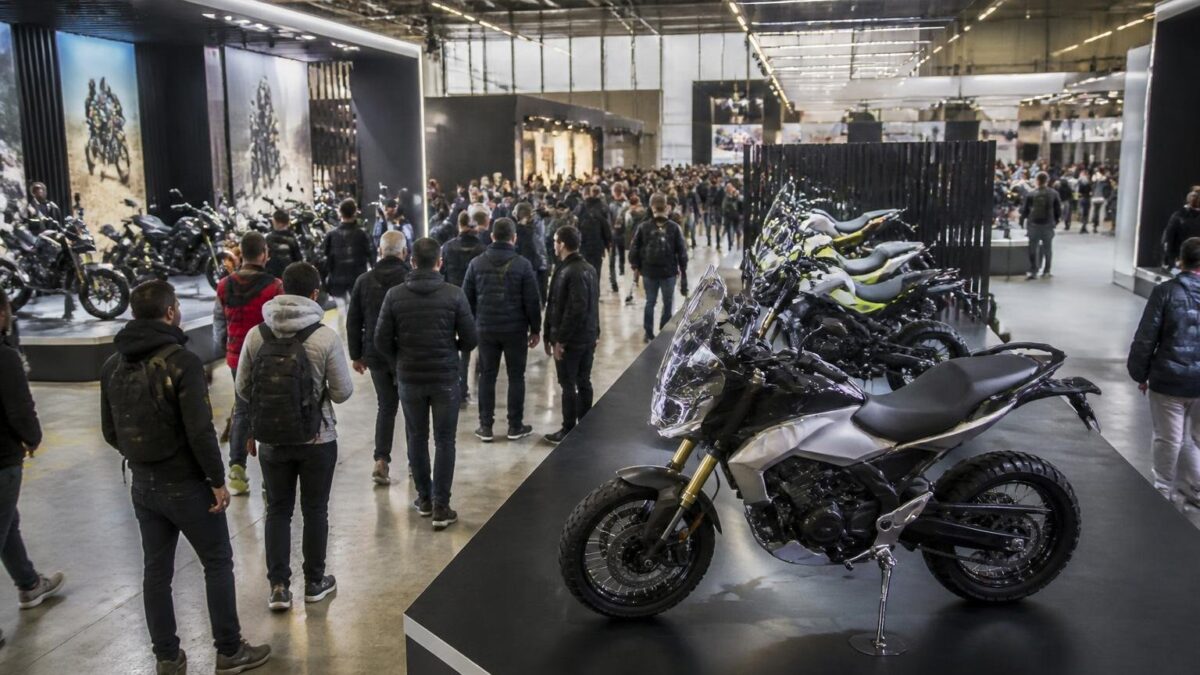
Chinese motorcycle manufacturers made their most assertive showing yet at EICMA 2026 in Milan, unveiling models that directly challenge established players from Japan, Europe, and India with competitive pricing and increasingly sophisticated engineering. The shift signals a major reordering in the global motorcycle industry.
The annual Milan show has long served as the primary stage where manufacturers preview their strategies for coming model years. This year’s exhibition revealed Chinese brands no longer content to compete solely on price in entry-level segments. Instead, they presented middle-displacement and premium machines aimed squarely at core markets previously dominated by Honda, Yamaha, KTM, and Royal Enfield.
Technology Parity Reshapes Competition
Chinese exhibitors demonstrated substantial technical advancement beyond simple reverse-engineering. Multiple brands showcased proprietary engine designs, advanced rider assistance systems, and build quality that narrows the gap with legacy manufacturers. The technological progress reflects years of investment in research and development infrastructure within China’s domestic market.
Several manufacturers displayed models equipped with traction control, cornering ABS, multiple ride modes, and full-color TFT instrumentation as standard equipment. These features appear on machines priced substantially below comparable Japanese or European alternatives. The value proposition challenges traditional pricing structures across multiple segments.
Engine development particularly stands out. Where Chinese manufacturers once relied heavily on licensed or copied designs, several brands now produce original parallel-twin, V-twin, and inline-four powerplants. Emission compliance with Euro 5+ standards demonstrates engineering capability that meets or exceeds current regulatory requirements in major markets.
Target Markets and Distribution Strategies
The competitive thrust extends beyond product to distribution. Chinese brands announced expanded dealer networks across Europe, Southeast Asia, and select markets in the Americas. These networks provide essential service infrastructure that previously limited Chinese manufacturers to price-sensitive buyers willing to accept limited dealer support.
Several brands emphasized warranty programs matching or exceeding those from established competitors. Multi-year coverage with roadside assistance addresses historical concerns about parts availability and long-term ownership costs. The warranties represent confidence in reliability and strategic investment in brand reputation.
European markets receive particular attention. Chinese manufacturers view the continent as validation territory where success against premium brands establishes global credibility. Models displayed at EICMA included Euro-specific variants with features tailored to European riding conditions and aesthetic preferences.
Segment-Specific Challenges
Adventure motorcycles emerged as a focal point for Chinese competition. Multiple manufacturers displayed mid-capacity adventure machines priced thousands below comparable models from BMW, Triumph, or Honda. The segment’s popularity and high profit margins make it attractive territory for market share gains.
Naked streetfighters and modern classics also saw concentrated Chinese attention. These categories combine accessible performance with style-focused buyers less tied to heritage brand loyalty. Younger riders particularly represent opportunities for Chinese manufacturers to establish relationships before traditional brand preferences solidify.
Sportbikes received less emphasis, reflecting the segment’s contraction globally and the technical challenges of competing with established Japanese performance credentials. Chinese manufacturers appear to recognize that credibility in racing-derived categories requires time and competition success not yet achieved.
Incumbent Response and Market Dynamics
Japanese manufacturers face particular pressure. Their business models relied on mid-market segments where Chinese competition now concentrates. Honda, Yamaha, Kawasaki, and Suzuki cannot match Chinese pricing without sacrificing margins or shifting production, yet premium positioning requires differentiation Chinese brands increasingly challenge.
European manufacturers maintain advantages in premium segments where brand heritage, racing success, and established dealer networks provide defensive moats. However, Chinese advances in technology and quality erode the justification for substantial price premiums in middle-displacement categories.
Indian manufacturer Royal Enfield confronts direct challenges to its retro-styled middleweight formula. Chinese brands displayed multiple heritage-styled models at price points below Royal Enfield’s, threatening the Indian manufacturer’s expansion beyond its home market.
Manufacturing Scale and Cost Advantages
Chinese production capacity dwarfs competitors. Domestic market scale provides volume that spreads development costs across larger production runs. Component supply chains developed for automotive and electric vehicle manufacturing offer cost efficiencies unavailable to smaller motorcycle-focused manufacturers.
Vertical integration gives Chinese manufacturers control over component costs that Japanese and European brands source from suppliers. Engine components, electronics, suspension elements, and bodywork produced in-house reduce expenses and accelerate development cycles.
Labor cost advantages persist despite rising wages in coastal Chinese manufacturing centers. Automation investment and production efficiency improvements maintain cost leadership even as absolute wage rates increase. The combination of scale, integration, and efficiency creates structural advantages difficult for competitors to overcome.
Regulatory and Market Access Questions
Success depends partly on regulatory factors beyond manufacturer control. Trade policies, tariff structures, and emissions requirements vary by market and can shift based on political considerations. Chinese manufacturers face potential restrictions in markets concerned about trade imbalances or strategic dependencies.
Emission regulations continue tightening globally. Chinese manufacturers demonstrated Euro 5+ compliance, but future standards may require additional investment. The regulatory environment affects all manufacturers, though established brands have deeper experience navigating compliance requirements across multiple jurisdictions.
Consumer acceptance remains variable. Some markets show resistance to Chinese brands based on perceptions of quality or national preference. Other regions prioritize value and demonstrate willingness to consider Chinese alternatives. Brand building requires time and consistent product quality that transcends initial buyer skepticism.
Industry Transformation Accelerates
The Chinese presence at EICMA 2026 accelerates transformation already underway. Electric motorcycles, connectivity features, and changing consumer preferences create opportunities for newer manufacturers unburdened by legacy product lines and dealer expectations. Chinese brands position themselves to capitalize on industry transition points.
Electrification particularly suits Chinese strengths. Battery production, electric motor manufacturing, and power electronics represent areas where Chinese companies lead globally. As motorcycles electrify, Chinese manufacturers gain home-field advantages in core technologies.
The competitive landscape shifts faster than many anticipated. Chinese manufacturers now present credible alternatives across multiple segments with technology, quality, and value propositions that force established brands to reconsider strategies developed for different competitive environments. How legacy manufacturers respond will determine market structure for the next decade.