
13-Year-Old on E-Bike Arrested After Chase With Orange County Police

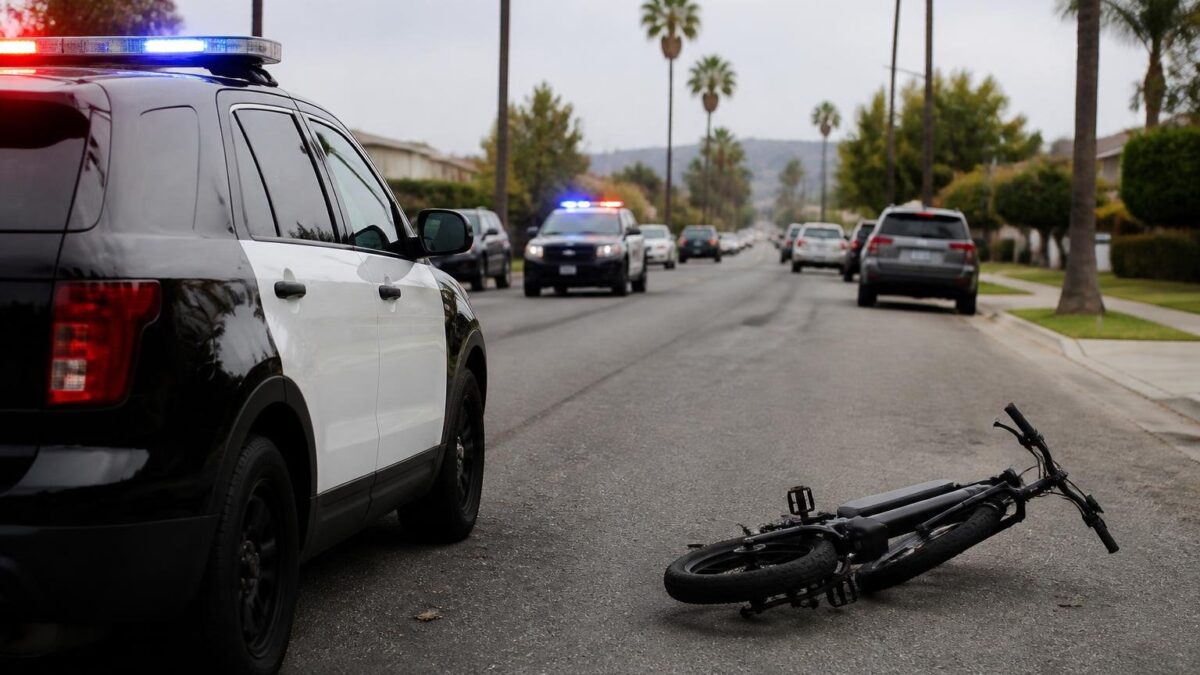
A 13-year-old rider was taken into custody by Orange County authorities after allegedly attempting to evade a motorcycle police officer while operating an electric bicycle. The incident raises questions about enforcement challenges surrounding the growing population of young e-bike operators in Southern California communities.
According to reports from the Orange County Sheriff’s Department, the encounter began when a patrol officer on a motorcycle attempted to initiate contact with the juvenile rider. Rather than stopping, the young operator reportedly accelerated and attempted to flee through neighborhood streets. The pursuit ended without injury when the rider was safely apprehended.
Legal Framework for E-Bike Operation in California
California law establishes specific age restrictions and operational requirements for electric bicycle riders. The state categorizes e-bikes into three distinct classes, each with different regulations governing where they can be ridden and who can operate them.
Class 1 and Class 2 e-bikes, which include pedal-assist models and throttle-controlled bikes with maximum speeds of 20 mph, require riders to be at least 16 years old unless operating under adult supervision. Class 3 e-bikes, capable of speeds up to 28 mph with pedal assistance, mandate that operators be at least 16 years old and wear a helmet at all times.
For riders under 18, helmet use is mandatory regardless of e-bike class. The law also prohibits anyone under 16 from operating a Class 3 e-bike under any circumstances. Local jurisdictions retain authority to impose additional restrictions on where e-bikes may be ridden within their boundaries.
Charges and Legal Consequences
The juvenile in this case faces multiple potential charges stemming from the incident. Fleeing from law enforcement, even on a bicycle or e-bike, constitutes a serious offense that can result in detention, probation, and mandatory counseling or education programs for minors.
Operating an electric bicycle in violation of age restrictions adds another layer of legal exposure. Parents or guardians who knowingly allow underage operation of e-bikes can face civil liability if accidents or injuries occur. In cases involving flight from police, questions about supervision and vehicle access become central to any investigation.
California Vehicle Code treats e-bikes as bicycles for most purposes, but the motorized nature of these devices means violations can carry consequences similar to those associated with motor vehicle infractions. Juveniles who accumulate multiple violations may face restrictions on obtaining a driver’s license when they reach eligible age.
Enforcement Challenges in Growing E-Bike Market
Law enforcement agencies across California report increasing difficulty monitoring compliance with e-bike regulations as sales continue to surge. The devices have become particularly popular among middle school and high school students, who use them for transportation to school, recreational riding, and social activities.
Unlike motorcycles or mopeds, e-bikes require no registration, licensing, or insurance in California. This regulatory gap makes tracking ownership and ensuring operator compliance more difficult for authorities. Officers often cannot determine whether a rider meets age requirements without initiating a stop.
Orange County has experienced significant growth in e-bike usage over the past three years. School districts throughout the county have implemented policies addressing e-bike parking, charging, and use on campus. Some municipalities have considered additional local ordinances to address safety concerns, though any regulations must align with state law.
Safety Concerns and Community Response
The incident comes amid broader discussions about e-bike safety in suburban communities. Parents, school administrators, and traffic safety advocates have expressed concern about young riders operating high-speed electric bicycles in areas shared with pedestrians and vehicle traffic.
E-bikes can reach speeds that exceed the ability of inexperienced riders to react appropriately to hazards. The quiet operation of electric motors means pedestrians often do not hear approaching riders until they are very close. When combined with the impulsive decision-making common among adolescents, these factors create conditions for serious accidents.
Community groups in Orange County have called for enhanced education programs teaching young riders about safe operation, traffic laws, and the serious consequences of fleeing from police. Some advocate for mandatory safety courses before minors are allowed to operate e-bikes, similar to requirements for motorcycle learner permits.
What Riders and Parents Need to Know
Riders under 16 must understand that operating most e-bikes without proper supervision violates California law. Even where operation is legal, fleeing from law enforcement transforms a minor infraction into a serious offense with lasting consequences.
Parents considering purchasing e-bikes for children should verify the classification of any model and ensure it matches the child’s age and experience level. Class 1 e-bikes with lower top speeds and pedal-assist-only operation present fewer risks for younger riders than throttle-controlled or high-speed Class 3 models.
Understanding local regulations is essential. While state law provides baseline requirements, cities and counties may impose additional restrictions on where e-bikes can be ridden. Bike paths, trails, and certain roadways may be off-limits to e-bikes or specific e-bike classes.
Broader Implications for Juvenile Justice
The case reflects ongoing challenges within juvenile justice systems balancing accountability with rehabilitation for young offenders. Courts generally recognize that adolescent brains are still developing, particularly in areas governing impulse control and risk assessment.
Judges handling juvenile cases involving vehicle-related offenses typically consider whether the youth understood the seriousness of their actions and whether family circumstances contributed to the behavior. First-time offenders often receive opportunities to avoid formal adjudication through diversion programs, community service, or education requirements.
Repeat offenses or cases involving injury to others result in more serious consequences. The goal remains steering young people away from patterns of behavior that could lead to adult criminal activity while holding them accountable for choices that endanger themselves or others.
The Orange County incident remains under investigation. The juvenile’s identity has not been released due to age and legal protections for minors in the justice system. Whether the case will proceed through formal court proceedings or be resolved through alternative measures has not been announced.