
High-Speed I-65 Motorcycle Chase Ends in Crash at Park City

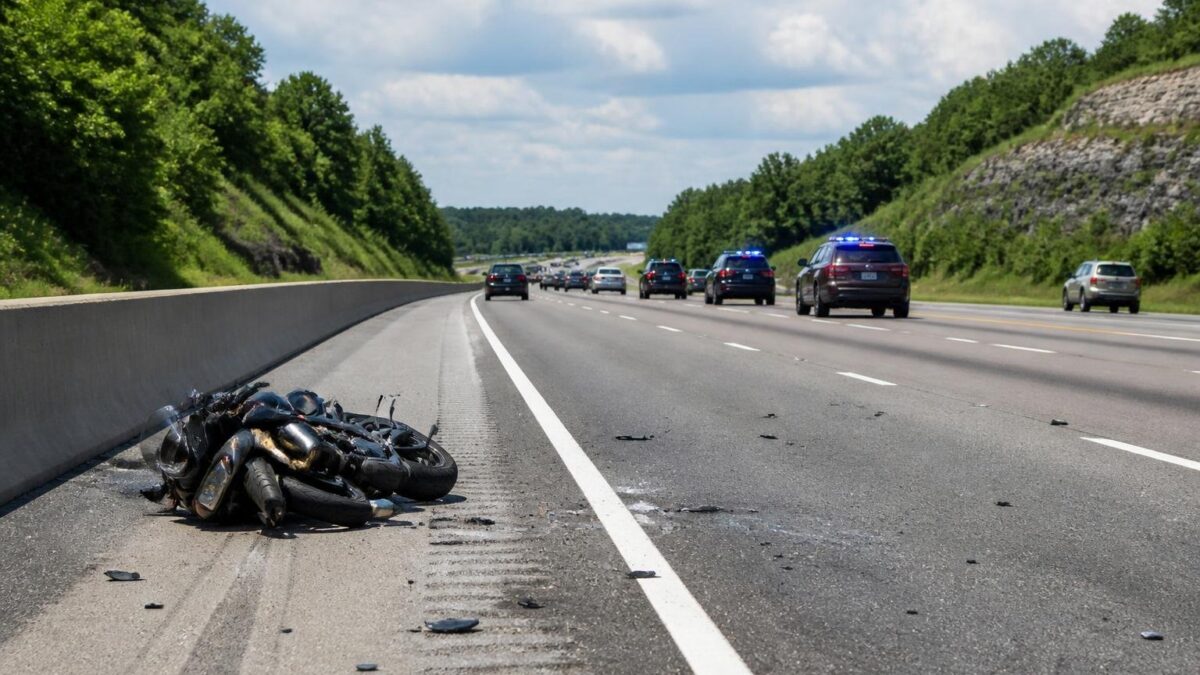
A motorcycle pursuit on Interstate 65 in south-central Kentucky ended in a crash near the Park City exit, according to local authorities. The incident adds to ongoing discussions about high-speed chase protocols involving motorcycles and the risks these pursuits pose to riders, law enforcement, and the public.
Details about what prompted the initial pursuit remain limited, though investigations continue. The crash occurred in an area where I-65 serves as a major transportation artery connecting Louisville to Nashville, carrying thousands of vehicles daily through Barren County.
Understanding Police Pursuit Protocols for Motorcycles
Law enforcement agencies across the United States have increasingly scrutinized their pursuit policies, particularly when motorcycles are involved. Unlike passenger vehicles, motorcycles present unique challenges during high-speed chases. Their acceleration capabilities often exceed patrol vehicles, while their vulnerability in crashes makes any contact potentially fatal.
Many departments now employ graduated response protocols. Officers must weigh the severity of the suspected offense against the risks posed by continuing a pursuit. Factors include traffic density, weather conditions, road type, and the rider’s behavior. Some jurisdictions limit motorcycle pursuits to cases involving violent felonies or immediate threats to public safety.
Kentucky State Police, which patrols I-65, follows policies that require supervisory approval to continue pursuits under certain conditions. Officers must continuously evaluate whether the danger of the chase outweighs the need for immediate apprehension. These policies reflect nationwide trends following numerous pursuit-related fatalities over the past two decades.
The Interstate 65 Corridor Through Kentucky
Interstate 65 cuts through Kentucky for approximately 137 miles, connecting major population centers and serving as a critical commercial route. The Park City exit area sits near Cave City and Horse Cave, communities that straddle the highway in Barren County. This section sees heavy tourist traffic heading to Mammoth Cave National Park and other regional attractions.
The highway through this region features rolling terrain with curves and elevation changes that can complicate high-speed vehicle operation. Speed limits vary between 65 and 70 miles per hour, though traffic often moves faster during clear conditions. The mix of commercial trucks, passenger vehicles, and recreational traffic creates a complex environment for any emergency situation.
Motorcycle riders frequently use this corridor for recreational trips and cross-country journeys. The route’s accessibility and relatively steady traffic flow make it popular among touring riders, though the heavy truck presence requires constant vigilance.
Legal Consequences of Fleeing Law Enforcement
Riders who flee from police face serious criminal charges beyond whatever prompted the initial stop. In Kentucky, fleeing or evading police constitutes a Class D felony when the pursuit involves a motor vehicle, carrying potential sentences of one to five years imprisonment. If the flight creates substantial risk of injury to others, charges can escalate to Class C felonies with sentences ranging from five to ten years.
Additional charges often accompany fleeing offenses. Reckless driving, endangering others, property damage, and any underlying traffic violations stack penalties. Riders also face administrative consequences including license suspension or revocation, even before criminal proceedings conclude.
Civil liability represents another dimension. Riders who cause accidents while fleeing may face lawsuits from injured parties, with insurance companies often denying coverage for illegal acts. The financial burden can extend decades beyond any criminal sentence.
Insurance and Financial Ramifications
Motorcycle insurance policies typically exclude coverage for intentional illegal acts. Fleeing from police generally falls into this category, meaning riders bear full financial responsibility for any damages they cause. This includes property damage, medical expenses for injured parties, and legal defense costs.
Even if a rider escapes criminal conviction, civil courts apply lower burdens of proof. Victims can pursue damages through civil lawsuits, potentially seizing assets and garnishing wages. These financial consequences often prove more devastating than criminal penalties, affecting riders for years or decades.
Broader Context of Motorcycle Pursuits
The Park City incident reflects a persistent challenge in traffic law enforcement. Motorcycles’ performance characteristics make them difficult to stop once riders decide to flee. Sport bikes can accelerate from zero to sixty miles per hour in under three seconds and reach speeds exceeding 150 miles per hour, capabilities that far outstrip patrol vehicles.
Law enforcement agencies have explored alternatives to traditional pursuits. Helicopter support allows officers to follow from the air while ground units maintain safe distances. License plate recognition technology can identify fleeing riders for later apprehension. Some departments deploy tire deflation devices, though these prove less effective against motorcycles’ narrow profiles.
Training programs now emphasize tactical disengagement. Officers learn to balance enforcement with public safety, recognizing that some suspects may be apprehended later with less risk. This approach requires coordination between agencies and acceptance that not every violator faces immediate arrest.
Technology and Pursuit Management
Modern communication systems allow pursuing officers to coordinate with dispatch and supervisors in real time. GPS tracking provides precise location data, enabling agencies to position resources strategically rather than maintaining direct pursuit. Some jurisdictions experiment with tagging devices that attach to fleeing vehicles, though their application to motorcycles remains limited.
Dashboard and body cameras document pursuits, providing evidence for later prosecution while also enabling supervisors to review officer decisions. This documentation helps agencies refine policies and training based on actual incidents rather than theoretical scenarios.
Questions Awaiting Answers
The circumstances surrounding the Park City pursuit remain under investigation. Authorities have not disclosed what prompted the initial attempt to stop the motorcycle, whether anyone sustained injuries in the crash, or whether criminal charges will follow. The motorcycle rider’s identity and condition have not been released pending investigation.
These details matter for understanding the incident’s broader implications. A pursuit initiated for a minor traffic violation carries different weight than one involving a violent crime or suspected stolen vehicle. Injury severity influences both criminal charges and civil liability. The complete picture will emerge as investigators piece together witness accounts, physical evidence, and recorded data.
For riders traveling I-65 through Kentucky, the incident serves as a reminder of the high stakes involved in any interaction with law enforcement. The impulse to flee, whatever the motivation, transforms a manageable situation into one with potentially life-altering consequences. The corridor will continue serving its role as a vital transportation link, with law enforcement balancing safety enforcement against the risks inherent in high-speed pursuits.