
Ninebot Segway Hits EICMA as Chinese Brands Push Overseas Market

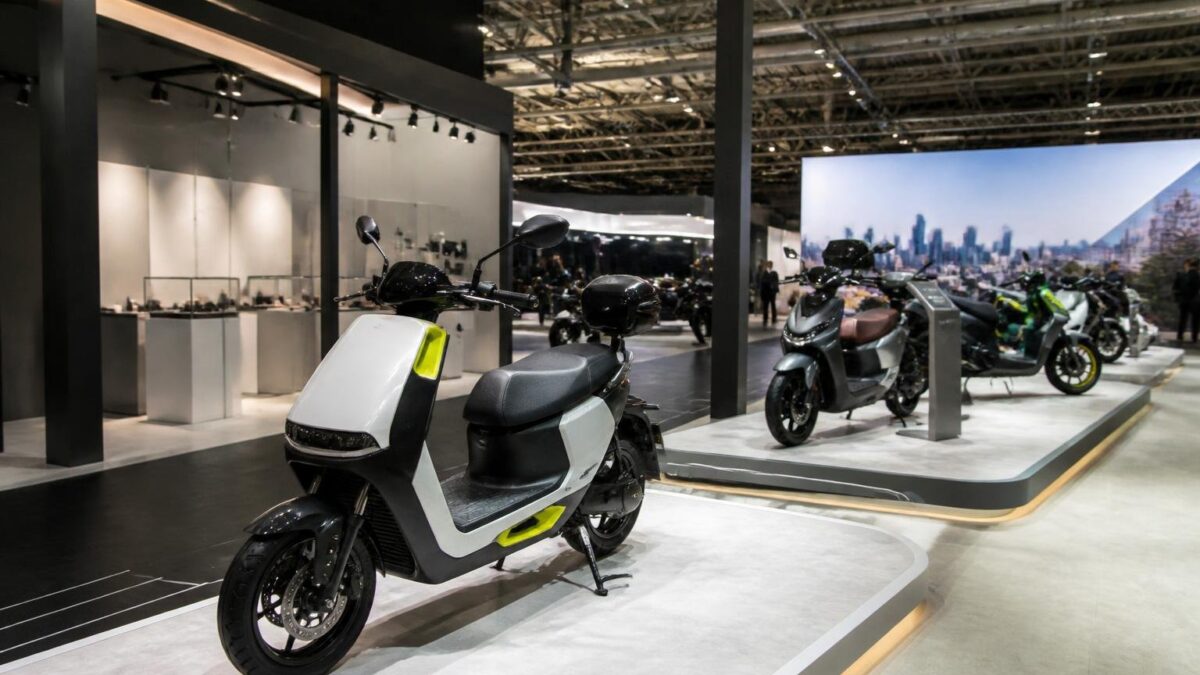
Chinese motorcycle manufacturers made their presence felt at EICMA Milan, with Ninebot Segway among the brands debuting electric motorcycle models as part of a calculated expansion into European and North American markets. The appearance marks what industry observers describe as the second phase of Chinese two-wheeler overseas growth, moving beyond scooters and entry-level bikes into more sophisticated electric powertrains and performance-oriented machines.
Ninebot Segway, known primarily for personal mobility devices and electric scooters, presented motorcycle-class vehicles at the Italian trade show, joining a growing roster of Chinese brands attempting to establish credibility in traditional motorcycle markets. The company’s pivot toward larger displacement-equivalent electric bikes reflects broader industry trends in China, where domestic EV technology has matured rapidly over the past five years.
Manufacturing Capacity Meets Market Ambition
Chinese motorcycle production infrastructure has evolved considerably since the first wave of budget gas bikes flooded emerging markets in the 1990s and early 2000s. Modern Chinese factories now produce electric powertrains with battery management systems, regenerative braking, and connectivity features that rival or exceed established Japanese and European manufacturers in some technical specifications.
The timing of this overseas push coincides with saturation in the Chinese domestic market, where electric two-wheeler adoption has plateaued in urban centers. Manufacturers face pressure to find new revenue streams as local competition intensifies and profit margins compress. European markets present attractive targets due to emissions regulations favoring electric vehicles and infrastructure investments in charging networks.
Several factors distinguish this expansion phase from earlier attempts by Chinese brands to crack Western markets. First, the focus on electric drivetrains sidesteps the quality perception issues that plagued Chinese internal combustion engines. Second, pricing strategies position these bikes below established electric motorcycle brands like Zero and Energica while offering comparable range and performance numbers on paper.
Regulatory Landscape Shapes Market Entry
European Union vehicle certification requirements present both obstacles and opportunities for incoming Chinese brands. Strict safety and emissions standards require significant investment in testing and compliance, but successful certification provides access to all EU member states. Some Chinese manufacturers have established European subsidiaries and testing facilities to streamline this process.
North American markets present different challenges, particularly regarding dealer networks and warranty support infrastructure. American riders historically show reluctance to adopt brands without established service networks, creating a chicken-and-egg problem for new entrants. Chinese manufacturers have explored partnerships with existing dealership groups and independent service centers to address these concerns.
The regulatory environment for electric motorcycles remains in flux across multiple jurisdictions. Licensing requirements, insurance classifications, and infrastructure access rules vary significantly between states and countries. Chinese brands entering these markets must navigate complex regulatory frameworks while educating potential customers about electric motorcycle capabilities and limitations.
Technology Transfer and Innovation Cycles
Chinese electric motorcycle development benefits from the country’s dominant position in battery manufacturing and electric vehicle supply chains. Companies like CATL and BYD supply battery cells to global automotive manufacturers, and two-wheeler brands access similar technology at competitive prices. This supply chain advantage allows Chinese motorcycle makers to offer larger battery capacities at lower price points than competitors sourcing cells internationally.
Motor controller technology and power electronics represent another area where Chinese manufacturers have invested heavily. Some brands now produce in-house motor systems rather than relying on third-party suppliers, allowing tighter integration between motor, battery, and vehicle dynamics systems. These vertical integration strategies mirror approaches taken by Chinese automotive EV manufacturers.
Connectivity features and smartphone integration come standard on many Chinese electric motorcycles, reflecting domestic market expectations where connected devices dominate consumer electronics. Western manufacturers have been slower to implement similar features, creating a potential differentiation point for Chinese brands appealing to younger, tech-oriented riders.
Market Reception and Brand Building
Early reception of Chinese electric motorcycles in Western markets has been mixed. Reviewers generally acknowledge competitive specifications and pricing but question long-term reliability and resale value. The absence of multi-year track records for most brands creates uncertainty for potential buyers, particularly in markets where motorcycles represent significant discretionary purchases.
Brand recognition remains minimal outside enthusiast circles. Ninebot Segway brings some name recognition from its scooter products, but most Chinese motorcycle manufacturers start from zero awareness in European and American markets. Building brand equity requires sustained marketing investment and positive ownership experiences that generate word-of-mouth recommendations.
Distribution strategies vary among Chinese brands attempting overseas expansion. Some pursue traditional dealership models, while others experiment with direct-to-consumer sales through company-owned stores or online platforms. The optimal approach likely depends on market maturity, regulatory requirements, and product positioning within each region.
Industry Implications and Competitive Response
Established motorcycle manufacturers have taken notice of Chinese electric bike developments. Japanese brands have accelerated their own electric motorcycle programs, though most remain cautious about fully committing to EV platforms given uncertain market demand. European manufacturers focus on premium electric models with higher profit margins, ceding entry-level segments to newcomers.
The influx of affordable electric motorcycles could expand the overall market by attracting riders who might not consider traditional gas bikes. Lower operating costs and simplified maintenance appeal to urban commuters and environmentally conscious consumers. However, range limitations and charging infrastructure gaps continue to restrict electric motorcycle adoption in many regions.
Trade policies and tariff structures will significantly impact Chinese motorcycle competitiveness in various markets. Existing tariffs on Chinese motorcycles in some jurisdictions reduce price advantages, while trade agreements and free trade zones create openings for market entry. Political tensions between China and Western nations add uncertainty to long-term business planning for all parties involved.
The next twelve months will prove critical for Chinese electric motorcycle brands attempting to establish footholds in European and American markets. Success requires more than competitive specifications and attractive pricing. After-sales support, parts availability, and real-world reliability will determine whether these brands become permanent fixtures or join the long list of manufacturers that failed to translate overseas ambitions into sustainable market positions.