
Sturgis Seeks Public Support for Monument to Rally Founders Pappy and Pearl Hoel

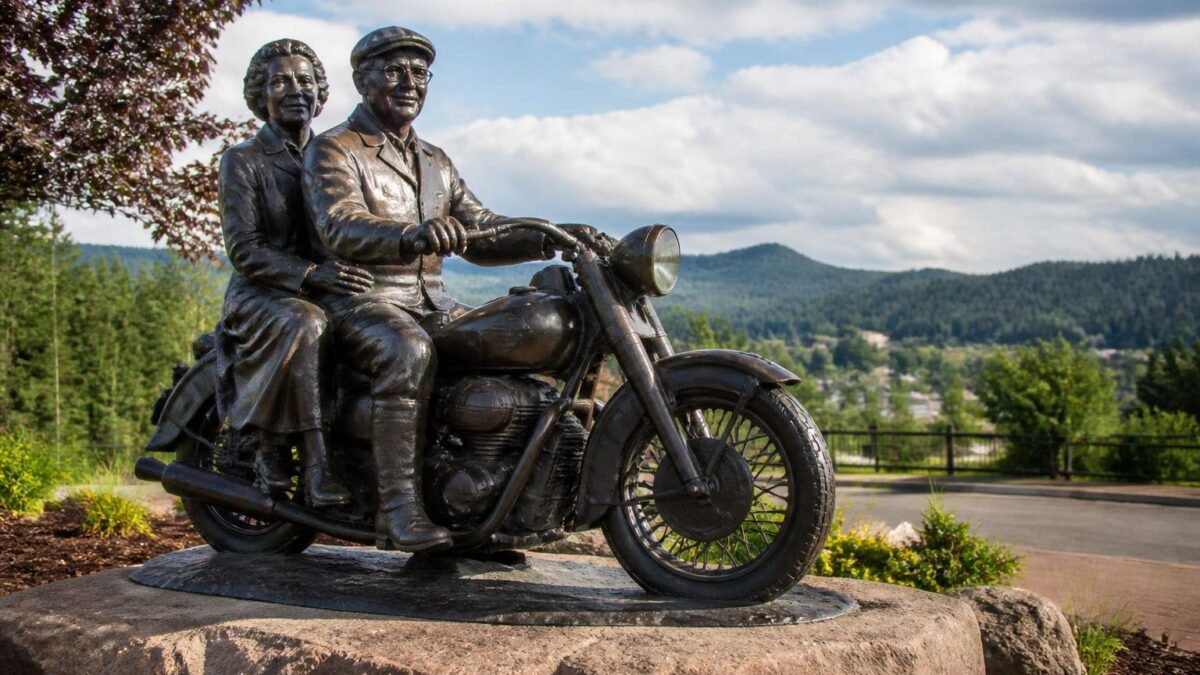
The city of Sturgis, South Dakota is weighing plans for a permanent monument to honor J.C. ‘Pappy’ Hoel and his wife Pearl, the visionary couple who founded what would become the largest motorcycle rally in the world. The proposed sculpture would recognize the pair’s outsized role in transforming a small South Dakota town into an annual pilgrimage site for hundreds of thousands of riders.
Local officials and community members are gathering input on the memorial project, which aims to give physical recognition to two figures whose legacy shapes Sturgis for ten days every August. The rally they started in 1938 with nine racers has grown into an event that draws upward of 500,000 attendees and generates millions in economic activity for the Black Hills region.
The Legacy of Pappy and Pearl Hoel
J.C. ‘Pappy’ Hoel purchased an Indian Motorcycle franchise in Sturgis in 1936. Two years later, he and a group of fellow riders from the Jackpine Gypsies Motorcycle Club organized the first Black Hills Motor Classic. The initial event featured a half-mile race and stunts performed on a dirt track. Nineteen spectators showed up to watch nine riders compete.
Pearl Hoel stood alongside her husband as partner and organizer. While Pappy handled much of the promotional work and rider coordination, Pearl managed registration, timing, and the administrative backbone that allowed the event to function. Historical accounts from longtime Sturgis residents and rally veterans consistently mention Pearl’s role as essential to the rally’s early survival and growth.
The couple ran the rally through its formative decades. Under their stewardship, the event expanded from a single afternoon of racing to a week-long gathering that included hill climbs, field events, and eventually the cruising and vendor culture that defines the modern rally. Pappy Hoel died in 1989 at age 86. Pearl passed in 2002 at 95.
Sturgis Rally’s Economic and Cultural Impact
The Sturgis Motorcycle Rally generates an estimated economic impact exceeding $800 million for South Dakota annually. The rally week transforms the town of roughly 7,000 permanent residents into a temporary city that swells to more than half a million people. Campgrounds, hotels, restaurants, and bars operate at capacity. Motorcycle manufacturers, aftermarket parts companies, and custom builders use the rally as a showcase for new products and builds.
Beyond dollars, the rally has embedded itself into American motorcycle culture. Attending Sturgis at least once is considered a rite of passage among many riders. The event has influenced how bikes are built, marketed, and ridden. The cruiser aesthetic, the emphasis on customization, and the intersection of motorcycling with music and lifestyle branding all trace roots to the culture that grew around Sturgis.
The rally has also shaped Sturgis itself. Infrastructure improvements, municipal budgets, tourism planning, and even zoning decisions in the town revolve around accommodating the annual influx. Local businesses schedule their year around rally week. Some remain closed the rest of the year, operating exclusively during the event.
Monument Proposal and Community Response
Details on the proposed sculpture remain in development. Organizers have not yet announced a specific location, design, or funding mechanism. Community meetings have focused on gathering input about what form the monument should take and where it should stand. Some residents have suggested placing it near the Sturgis Motorcycle Museum and Hall of Fame, which already houses exhibits on the rally’s history and Pappy Hoel’s contributions.
The museum, located on Main Street, includes Pappy’s original Indian Motorcycle franchise building. It displays vintage bikes, racing memorabilia, and photographs documenting the rally’s evolution. Adding a public sculpture nearby would create a concentrated historical district celebrating the event’s origins.
Other residents have proposed placing the monument in a more prominent public space, such as a city park or along a main road entering Sturgis. The goal would be to ensure visibility for the hundreds of thousands of riders who pass through town each August but may not visit the museum.
Precedents for Motorcycle Memorials
Sturgis would not be the first town to erect a monument honoring motorcycle culture or specific individuals. Daytona Beach, Florida, home to Bike Week, features several sculptures and plaques recognizing riders and industry figures. The American Motorcyclist Association in Pickerington, Ohio, maintains a hall of fame with physical exhibits honoring contributors to the sport.
Individual memorials to riders killed in crashes or who made significant contributions to local riding communities appear across the country. These range from roadside markers to dedicated park benches to larger installations. What makes the Sturgis proposal notable is the focus on founders of an event rather than individual riders or generic tributes to motorcycling.
Funding and Timeline Questions
No official budget has been announced for the sculpture project. Funding options under discussion include private donations, corporate sponsorships from motorcycle industry companies, and potential matching funds from the city or state tourism grants. Given the rally’s economic impact, finding financial backing may prove easier than for typical public art projects.
Rally attendees and motorcycle clubs with long Sturgis histories could also be tapped as potential donors. Many riders maintain deep personal connections to the event and view it as a pilgrimage. A fundraising campaign framing the monument as a way to preserve and honor that history might resonate with that audience.
The timeline for the project remains unclear. City officials have not indicated whether they aim to unveil the monument during a specific rally anniversary or simply when funding and design work are complete. The 2025 rally will mark 85 years since the first event, which could serve as a symbolic unveiling date if planning advances quickly enough.
What Comes Next
Public input sessions continue in Sturgis as organizers refine the proposal. Key decisions about design, location, and funding structure will determine whether the project moves forward and what form it ultimately takes. The sculpture would join a small number of physical markers in Sturgis that acknowledge the town’s transformation from agricultural community to motorcycle mecca.
For riders who make the pilgrimage to South Dakota each summer, a monument to Pappy and Pearl Hoel would offer a tangible connection to the rally’s roots. The proposal also raises questions about how communities preserve and present their cultural history, especially when that history is tied to an event that continues to evolve and generate controversy over noise, traffic, and commercialization.