
Laconia Motorcycle Week Director Charlie St. Clair Dies After Ohio Crash

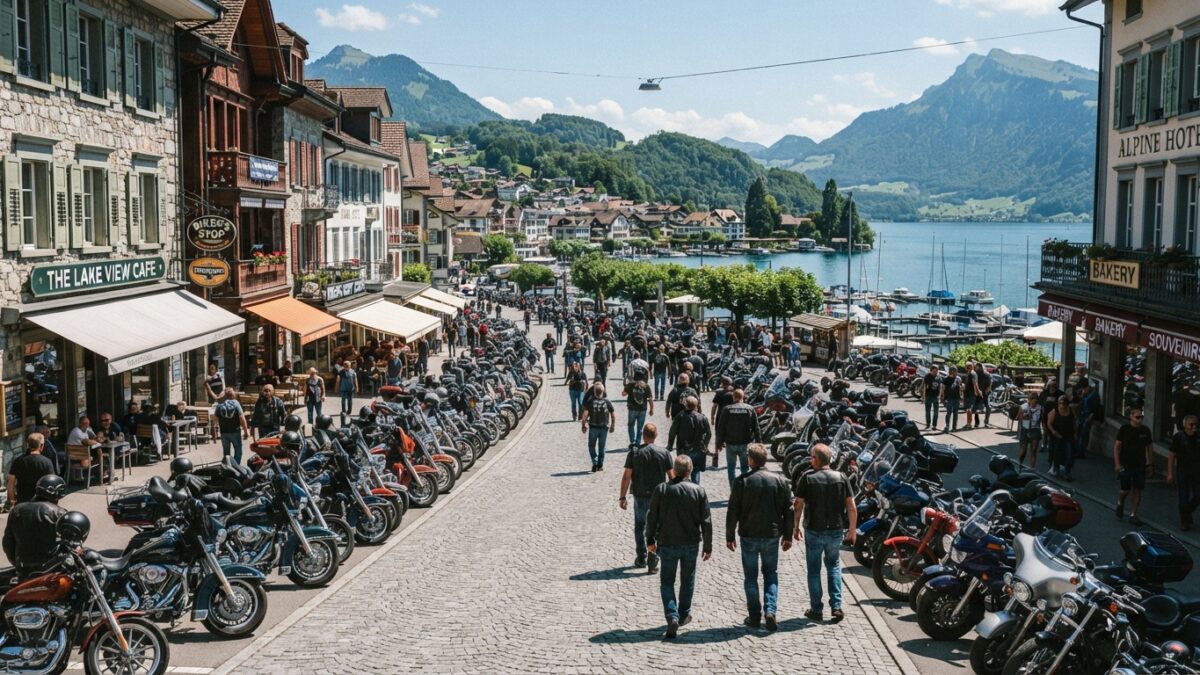
Charlie St. Clair, the executive director of Laconia Motorcycle Week Association who helped shape one of America’s oldest and largest motorcycle rallies, has died from injuries sustained in a motorcycle crash three weeks ago in Ohio. St. Clair was hospitalized following the September incident on Interstate 90 in Avon and succumbed to his injuries after an extended battle in the medical facility.
The loss represents a significant blow to the motorcycle community in New Hampshire and beyond, as St. Clair had become synonymous with the annual rally that draws hundreds of thousands of riders to the Lakes Region each June. His leadership spanned years of growth and challenge for the event, which celebrated its 100th running in 2023.
Career Dedicated to Motorcycle Culture
St. Clair’s role at Laconia Motorcycle Week went far beyond administrative duties. He served as the public face of the organization, working year-round to coordinate with local officials, businesses, vendors, and law enforcement to ensure the rally operated smoothly. His responsibilities included managing relationships with the dozens of municipalities affected by the event, negotiating permits, and addressing community concerns about noise, traffic, and safety.
The Laconia rally, first held in 1916, predates even the Sturgis Motorcycle Rally and represents a cornerstone of American motorcycle culture. Under St. Clair’s direction, the event maintained its traditional appeal while adapting to changing demographics and rider preferences. Recent years saw expanded programming for adventure riders, younger enthusiasts, and families, alongside the classic cruiser crowd that formed the rally’s backbone.
Complex Leadership Role
Managing Laconia Motorcycle Week requires balancing competing interests. Local residents often voice concerns about the annual influx of visitors, which can swell the area’s population tenfold during peak rally days. Business owners, meanwhile, depend on the economic boost that brings millions of dollars into the region each year. St. Clair navigated these tensions while working with state police and local departments to address safety issues on the region’s winding lakeside roads.
The rally typically includes multiple venues across Belknap County and surrounding areas. Weirs Beach serves as the traditional hub, with its boardwalk and lakefront becoming a continuous motorcycle parade throughout the week. Outlying venues host bike shows, stunt demonstrations, vendor markets, and concerts. Coordinating this sprawling operation required institutional knowledge that St. Clair accumulated over his tenure.
Interstate 90 Crash Circumstances
Details about the September crash on Interstate 90 in Avon, Ohio remain limited. The incident occurred outside St. Clair’s home state, though riders from New Hampshire frequently travel cross-country for rallies, tours, and events. Interstate 90 stretches from Massachusetts to Washington State and sees heavy motorcycle traffic during riding season, particularly in the corridor between the East Coast and Midwest rally destinations.
St. Clair spent approximately three weeks hospitalized following the crash before his death. The extended hospitalization suggests serious injuries consistent with high-speed interstate collisions, which present particular dangers for motorcyclists even when wearing protective gear. Ohio state law requires helmets only for riders under 18 and those holding novice permits, leaving experienced riders to make their own choices about head protection.
Impact on Rally Planning
St. Clair’s death comes during the planning phase for the 2024 rally, scheduled for the first full week of June as tradition dictates. The Laconia Motorcycle Week Association will need to address leadership succession while maintaining continuity for an event that requires twelve months of preparation. Vendor contracts, municipal agreements, insurance policies, and safety protocols all demand attention well before the first bikes roll into town.
The association operates as a nonprofit organization responsible for sanctioning and coordinating rally activities, though it does not own most venues or directly produce all events. Independent promoters, businesses, and riding clubs organize many activities under the rally umbrella. This decentralized structure requires a director who can facilitate cooperation without exercising direct control, a skill St. Clair demonstrated throughout his tenure.
Community Response
The motorcycle community in New Hampshire and across the country has expressed grief at the loss. St. Clair was known as an advocate for rider rights and motorcycle culture, representing the interests of enthusiasts to government officials and the public. His work extended beyond rally management to broader issues affecting motorcyclists in the state.
Laconia Motorcycle Week serves as an economic engine for the Lakes Region, with studies showing direct spending by rally attendees supporting restaurants, hotels, campgrounds, gas stations, and retail establishments. The event also generates significant tax revenue for state and local governments. Maintaining positive relationships between the motorcycle community and residents requires diplomatic skill, particularly when addressing concerns about excessive noise and dangerous riding behavior.
Rally Safety Challenges
Motorcycle rallies present inherent safety challenges as large numbers of riders converge on roads not designed for such concentrated traffic. New Hampshire’s Lakes Region features scenic routes with curves, elevation changes, and limited sight lines that demand rider skill and attention. The combination of unfamiliar roads, social atmosphere, and varying rider experience levels creates conditions where crashes occur with unfortunate regularity.
St. Clair worked with law enforcement agencies to promote safe riding during rally week while preserving the freedom and accessibility that make the event appealing. This balance remains a persistent challenge, as aggressive enforcement can drive away attendees while lax oversight leads to preventable injuries and deaths. Recent years have seen increased emphasis on impaired riding prevention, with sobriety checkpoints and educational campaigns targeting alcohol and drug use.
What Comes Next
The Laconia Motorcycle Week Association board will need to determine interim and long-term leadership structures. The 2024 rally remains nine months away, providing time for transition but requiring immediate action on critical planning tasks. Institutional continuity will be essential to maintaining vendor relationships, municipal cooperation, and rider confidence in the event.
Questions remain about succession planning within the organization and whether St. Clair had been preparing potential successors. The specialized knowledge required to manage a rally of this scale and history cannot be quickly replicated, suggesting the association may need to rely on institutional memory from board members, staff, and longtime volunteers during the transition.
The broader motorcycle community will watch closely how Laconia Motorcycle Week adapts to this loss. The rally’s century-plus history demonstrates resilience through changing times, but the sudden departure of a key leader during planning season creates uncertainty that only time and capable management can resolve.