
British Archives Reveal Motorcycle Heritage Through Rare Images

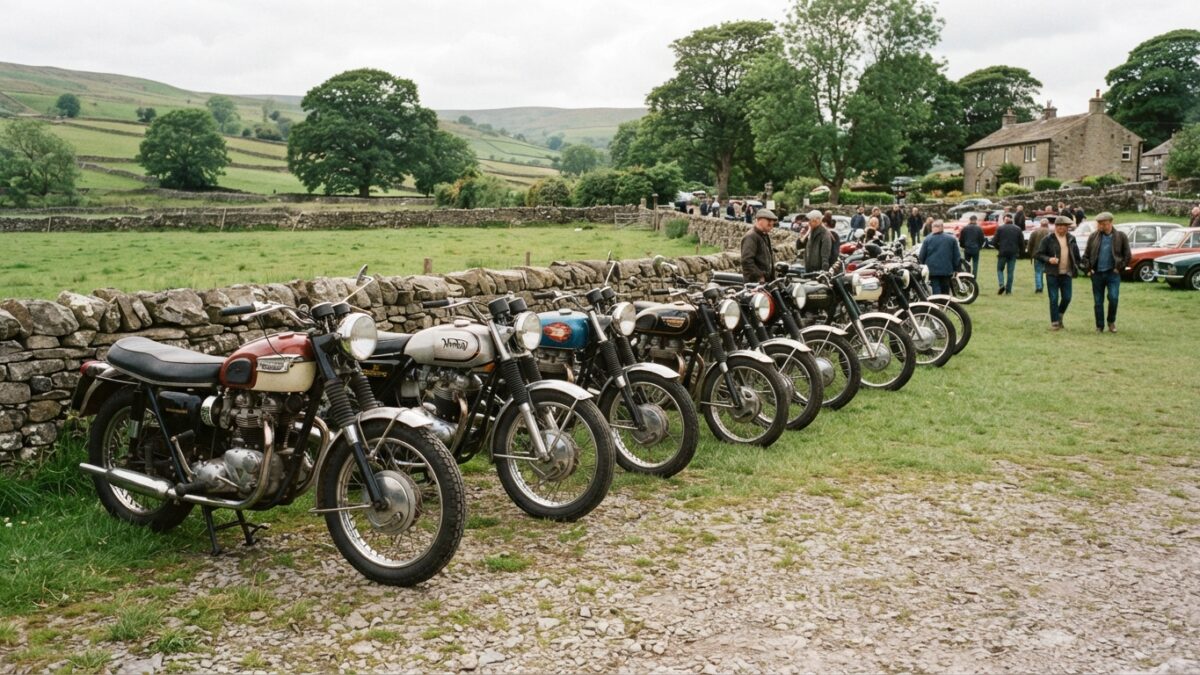
A newly surfaced photographic collection from Shropshire archives presents nineteen images spanning multiple decades of British motorcycle culture. The photographs document riders, machines, and community events from a region with deep ties to motorcycling heritage, providing visual evidence of how two-wheeled transportation shaped local identity and mobility patterns.
The images capture everything from solo riders on country roads to organized rallies and informal gatherings. Unlike promotional materials from manufacturers, these photographs represent everyday motorcycle use—commuting, leisure riding, and social gatherings centered around machines that ranged from humble commuter bikes to performance-oriented models.
Documentation of Mechanical Evolution
The collection showcases motorcycles from various British manufacturers that dominated domestic and international markets during the mid-twentieth century. Machines visible in the photographs include models that would have been considered standard transportation rather than collector items during their operational years.
Several images show riders with machines from the 1950s through the 1970s, a period when British motorcycle production remained globally competitive before Japanese manufacturers claimed market dominance. The photographs document both the mechanical specifications common to that era—rigid frames, drum brakes, simple electrical systems—and the riding gear that evolved alongside safety awareness.
One notable aspect of the collection involves the variety of riding purposes documented. Some photographs show solo riders in work clothing, suggesting motorcycles served as practical transportation for employment. Others capture weekend riders in leather jackets and goggles, indicating recreational use. This diversity reflects the broad social spectrum that embraced motorcycling when car ownership remained less universal than today.
Community Gathering and Social Structure
Multiple photographs document organized events where riders gathered in significant numbers. These assemblies represent the social framework that developed around motorcycling, creating communities based on shared mechanical interests and riding experiences rather than traditional geographic or occupational boundaries.
The images show both formal club events with organized parking arrangements and informal roadside gatherings where riders stopped to compare machines and share route information. This pattern of spontaneous congregation remains characteristic of motorcycle culture, though modern riders now supplement physical meetings with digital communication.
Several photographs include women riders and passengers, documenting female participation in motorcycling during periods when marketing materials predominantly featured male riders. These images provide evidence that actual motorcycle use extended beyond the demographic boundaries suggested by manufacturer advertising campaigns.
Regional Context and Industrial Heritage
Shropshire’s position within Britain’s industrial Midlands connected the region to motorcycle manufacturing centers in Birmingham, Coventry, and Wolverhampton. This proximity meant residents had access to factory-direct purchases, dealer networks, and employment opportunities within the motorcycle industry itself.
The photographic evidence suggests rural Shropshire roads provided ideal conditions for recreational riding while also serving riders who needed reliable transportation across distances poorly served by public transit. This dual purpose—utility and enjoyment—characterized motorcycle use throughout Britain during the decades represented in the collection.
British motorcycle production peaked in the 1950s with annual output exceeding 150,000 units from major manufacturers. By the 1970s, competition from Japanese brands with superior reliability and modern engineering had decimated domestic production. The photographs span this transition period, documenting machines from both the height of British manufacturing confidence and the subsequent decline.
Preservation and Historical Value
Photographic collections like this one serve multiple preservation functions beyond mere nostalgia. They document mechanical specifications that written records may omit, such as common modifications, typical wear patterns, and rider adaptations to machine limitations. Restorers frequently consult period photographs to verify original paint schemes, accessory placement, and correct component specifications.
The images also record riding techniques and safety practices from eras with different regulatory frameworks. Early photographs show riders without helmets, reflecting periods before mandatory helmet laws. Later images document the gradual adoption of protective equipment as safety research influenced both legislation and rider behavior.
For researchers studying transportation history, such collections provide evidence of how different social classes accessed mobility. Motorcycles offered affordable transportation when cars remained financially inaccessible to many working families. The photographs document this democratization of personal mobility, showing diverse riders on machines suited to various economic circumstances.
Contemporary Relevance
The vintage images arrive as British motorcycle manufacturing experiences modest revival through specialized manufacturers producing limited-run models and electric motorcycles. Companies like Triumph maintain continuous operation, while newer brands reference historical British designs in contemporary machines.
Modern riders increasingly seek vintage motorcycles similar to those documented in the collection. This demand drives restoration markets and creates communities focused on maintaining period-correct machines. Auction prices for well-preserved British motorcycles from the photographed eras have risen substantially, with certain models commanding five-figure sums.
The photographs also document road conditions and infrastructure from periods when motorcycles constituted a larger percentage of total traffic. Narrow roads without modern safety barriers, petrol stations with single pumps, and small-town high streets accommodating motorcycle parking all appear in the images, showing transportation landscapes substantially different from current conditions.
Access and Further Documentation
Archives throughout Britain hold similar photographic collections documenting local motorcycle culture. These regional repositories preserve images that escaped inclusion in national archives or manufacturer collections, providing grassroots documentation of how motorcycling functioned outside official narratives.
The Shropshire collection represents one example of such dispersed documentation. Whether these specific images will receive digital preservation, exhibition, or integration into broader motorcycle history projects remains to be determined. Their public surfacing through local media suggests renewed interest in documenting regional transportation heritage before physical photographs deteriorate beyond recovery.
For riders and researchers, these nineteen images offer visual evidence of motorcycle culture during formative decades. They document machines, riders, and communities that shaped British motorcycling before globalization and industry consolidation transformed both the machines themselves and the culture surrounding them.