
Sturgis Rally Archives Show Five Decades of Motorcycle Culture

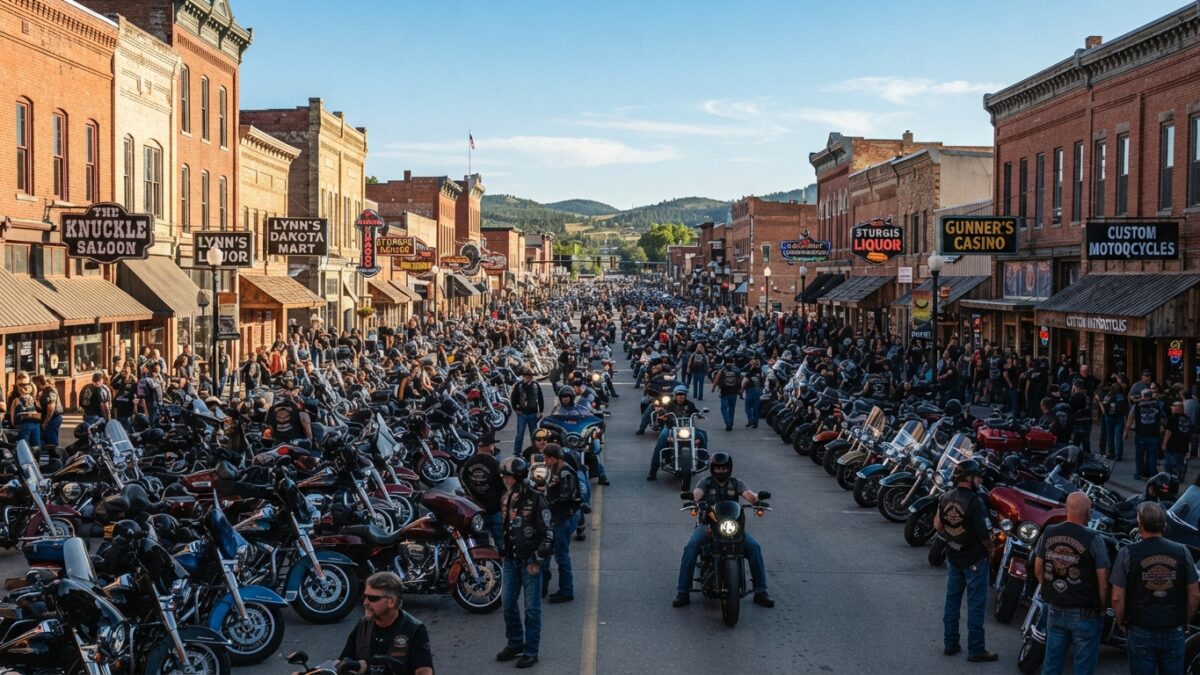
Rider Magazine’s archive tag for the 77th annual Sturgis Motorcycle Rally reveals a publication record tracking one of motorcycling’s most significant annual gatherings. The archive represents years of editorial coverage documenting how the event transformed from a regional racing competition into an international destination drawing hundreds of thousands of riders each August.
The 77th edition took place in 2017, marking nearly eight decades since the Jackpine Gypsies Motorcycle Club first organized a race and stunts program in 1938. That inaugural event attracted a modest crowd to the small South Dakota town. The rally’s evolution into a weeklong celebration of motorcycle culture reflects broader changes in American motorcycling itself.
Rally Growth and Economic Impact
By the time the 77th rally occurred, attendance regularly exceeded 500,000 visitors during the ten-day event. The influx transforms Sturgis, a town with a year-round population under 7,000, into a temporary city rivaling South Dakota’s largest urban centers. Motorcycles outnumber cars by overwhelming margins on Main Street and surrounding highways.
The economic impact extends throughout the Black Hills region. Hotels, campgrounds, restaurants, and retailers depend on rally revenue to sustain operations throughout the year. Local businesses report that a single successful rally week can determine annual profitability. Gas stations, bars, tattoo parlors, and custom shops all experience peak demand.
Vendor participation grew alongside attendance figures. By 2017, hundreds of aftermarket manufacturers, custom builders, and motorcycle brands established temporary showrooms throughout Sturgis. The Buffalo Chip campground became a destination unto itself, featuring major concerts and stunt shows that draw crowds regardless of weather conditions.
Cultural Significance Beyond Commerce
The rally’s appeal extends beyond commercial transactions. Riders view Sturgis as a pilgrimage, a place where motorcycle culture concentrates in ways impossible to replicate elsewhere. Custom builders unveil flagship projects. Brand loyalties blur as Harley-Davidson riders park alongside metric cruisers, adventure bikes, and vintage machines.
The event serves as an informal gathering point for motorcycle clubs from across North America. While media attention often focuses on outlaw motorcycle clubs, the vast majority of attendees belong to recreational riding groups or attend independently. Veterans groups maintain a significant presence, with military service common among participants.
Photography from the 77th rally shows the visual diversity that defines the event. Riders range from young adults on sportbikes to retirees touring on full dressers. Custom choppers with extended forks share parking lots with bone-stock touring rigs. The fashion reflects equal variety, from traditional leather vests to high-visibility mesh gear designed for safety rather than style.
Infrastructure and Safety Challenges
Managing half a million visitors strains local infrastructure despite decades of experience. Law enforcement agencies from multiple jurisdictions coordinate patrols throughout the rally. Medical services expand to handle injuries ranging from minor road rash to serious crash trauma. Emergency helicopters remain on standby throughout the event.
Traffic management presents ongoing challenges. State and county roads designed for modest rural traffic suddenly carry continuous motorcycle processions. Popular routes like the Needles Highway and Iron Mountain Road experience congestion that would be unthinkable during normal summer months. Rider skill levels vary dramatically, creating hazards when inexperienced operators navigate tight mountain curves.
Alcohol-related incidents remain a persistent concern. Despite increased DUI enforcement, impaired riding contributes to crashes and fatalities during rally week. Local hospitals prepare for elevated trauma admissions. The South Dakota Highway Patrol typically increases staffing and deploys additional resources throughout the region.
Evolution of Event Programming
While motorcycle racing launched the original rally, the 77th edition featured diversified programming. Flat-track racing continued at the Buffalo Chip and Sturgis Motorcycle Museum, maintaining links to the event’s origins. Custom bike shows awarded prizes across multiple categories, from traditional choppers to modern performance builds.
Live music became a central draw, with national touring acts performing at multiple venues. The Wolfman Jack Stage, Full Throttle Saloon, and various outdoor venues hosted concerts nightly. Attendance at major performances sometimes rivaled motorcycle-specific activities, reflecting how the rally attracted music fans alongside dedicated riders.
Stunt shows, demo rides, and manufacturer displays filled daylight hours. Major brands offered test rides of new models, providing opportunities to evaluate bikes that might not be available at local dealerships. Aftermarket companies demonstrated products ranging from exhaust systems to luggage solutions, with show pricing encouraging immediate purchases.
Regional Tourism Integration
The Black Hills region leverages rally attendance to promote broader tourism. Mount Rushmore, Crazy Horse Memorial, Deadwood casinos, and Custer State Park all see increased visitation during rally week. Organized rides to these destinations give participants reasons to explore beyond Sturgis city limits.
Local communities throughout western South Dakota embrace the motorcycle influx. Small towns along popular routes establish temporary vendor areas and entertainment. Hill City, Keystone, and Spearfish all benefit from riders seeking alternatives to Sturgis crowds. The economic boost extends to businesses that might otherwise struggle during late summer.
Campgrounds report full capacity weeks in advance. Private landowners convert pastures into temporary motorcycle camping areas, providing basic facilities for riders who prefer budget accommodations. RV parks throughout the region book solid for rally week, with some visitors returning to identical sites annually.
Documentation and Media Coverage
Rider Magazine’s continued coverage of Sturgis reflects the event’s importance within motorcycle media. The publication’s archives provide historical documentation of how the rally changed over decades. Photography, feature articles, and event guides offer insights into evolving motorcycle culture.
The 77th rally occurred before social media completely dominated event coverage, though platforms like Facebook and Instagram already influenced how riders shared experiences. Professional media coverage still carried weight, with magazine articles reaching audiences who never attend the rally but remain interested in motorcycle culture.
What happens at future anniversaries remains tied to broader trends in motorcycling. Shifting demographics, changing motorcycle preferences, and economic factors all influence attendance patterns. The rally adapts while maintaining core elements that have sustained it across eight decades.