
Sturgis Rally tax revenue drops 11% as attendance dips in 2026

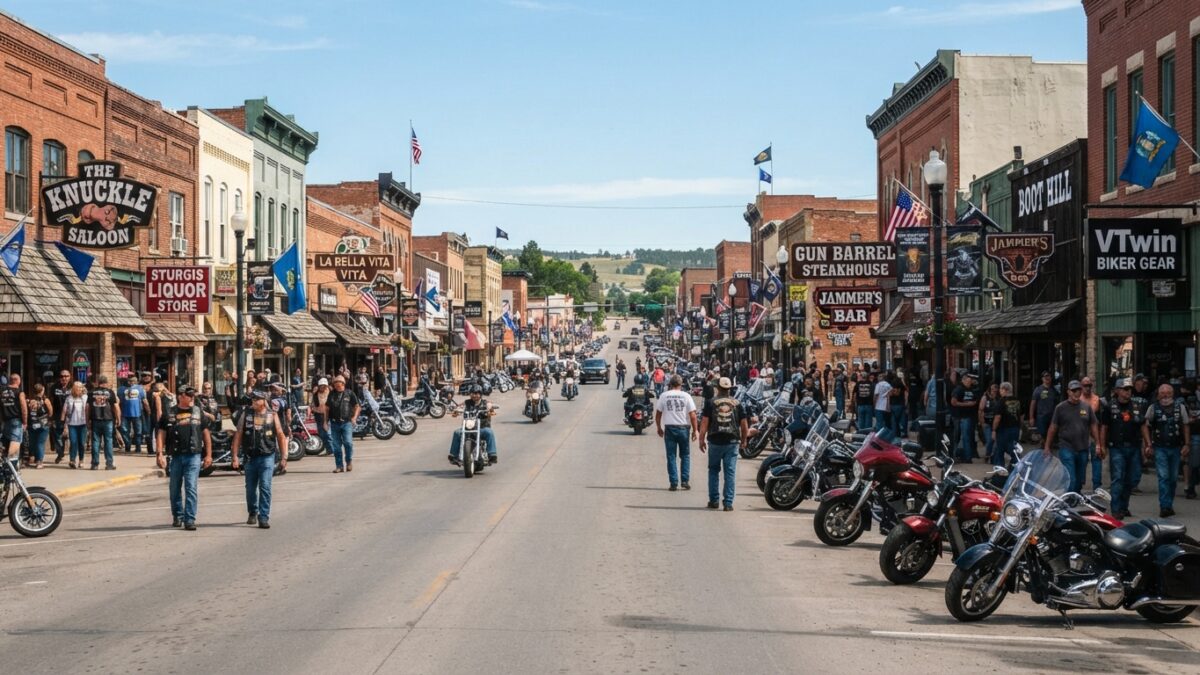
The 2026 Sturgis Motorcycle Rally generated 11 percent less tax revenue than the previous year, according to figures released by local officials. The decline reflects reduced visitor traffic to the iconic Black Hills event, which wrapped up its 86th edition earlier this month. Local business owners and municipal authorities are now analyzing whether the dip represents a temporary correction or signals broader shifts in how riders engage with large rallies.
Tax collection data serves as one of the most reliable indicators of rally attendance and economic activity, since South Dakota does not release official headcount figures. The state relies heavily on sales tax receipts from lodging, food, beverage, and retail transactions during the ten-day event that transforms the normally quiet town of roughly 7,000 residents into a sprawling motorcycle metropolis.
Revenue Metrics Tell the Story
While exact dollar figures were not disclosed in initial reports, the percentage drop represents a measurable shift from recent years. The rally has historically generated millions in tax revenue for Meade County and the city of Sturgis, funding everything from infrastructure maintenance to emergency services. An 11 percent decline translates to significant budget implications for municipalities that depend on this annual infusion.
The revenue drop follows several years of attendance fluctuations. Post-pandemic rallies saw surges as riders returned to group events, but the 2026 numbers suggest that enthusiasm may be leveling off. Weather conditions during this year’s rally were generally favorable, ruling out climate as a primary factor in the reduced turnout.
What Drives Rally Economics
The Sturgis Rally economy operates on multiple levels. Campgrounds, hotels, bars, restaurants, and tattoo parlors see concentrated business during the event. Vendors selling everything from custom parts to leather goods depend on the rally for annual revenue. Major motorcycle manufacturers use the gathering to showcase new models and connect directly with customers.
Sales tax revenue reflects all these transactions. When fewer bikes roll into town, or when attendees spend less per capita, the numbers drop accordingly. Some vendors reported slower foot traffic this year, particularly mid-week when attendance traditionally peaks. Whether riders are cutting trips shorter, spending more conservatively, or simply choosing different destinations remains unclear.
The rally also generates substantial lodging tax revenue. Hotels, motels, campgrounds, and private rentals all contribute to this stream. A decline in overnight stays would directly impact these figures. Some property owners who typically rent homes during the rally noted increased vacancy rates compared to previous years.
Broader Rally Landscape
Sturgis competes in an increasingly crowded motorcycle event calendar. Regional rallies have multiplied across the United States, offering riders alternatives that require less travel time and expense. Events in Ohio, Tennessee, Texas, and California draw significant crowds without requiring cross-country trips for many participants.
Rising costs also factor into rider decisions. Fuel prices, lodging rates, and food expenses all influence whether someone commits to a Sturgis trip. The rally has grown more expensive over the decades, potentially pricing out some riders who attended regularly in the past. Younger riders, in particular, may find the overall cost prohibitive compared to smaller, regional gatherings.
Demographic shifts within the motorcycling community also play a role. The average age of American motorcycle owners continues to rise, and some longtime Sturgis attendees are aging out of long-distance touring. While new riders enter the community, their participation patterns differ from previous generations. Younger riders often prioritize different experiences and may not feel the same cultural pull toward traditional mega-rallies.
Local Business Perspectives
Main Street businesses in Sturgis have mixed reactions to the attendance dip. Some establishments reported solid sales despite lower overall traffic, suggesting that attendees who did make the trip were willing to spend. Others noted a definite slowdown, particularly in mid-tier merchandise categories where discretionary spending shows first signs of economic caution.
The rally brings challenges along with revenue. Traffic congestion, noise, public safety demands, and infrastructure strain test local resources. Some residents welcome a slightly smaller event that still delivers economic benefits without overwhelming the town’s capacity. Others worry that declining attendance could accelerate, threatening the rally’s long-term viability as an economic engine.
Municipal Planning Implications
City and county officials use rally tax revenue to plan budgets for the following year. An 11 percent drop requires adjustments in spending projections. Emergency services, road maintenance, and public facilities all depend partly on rally income. If the trend continues, municipalities may need to diversify revenue sources or trim services.
Law enforcement costs represent a significant rally expense. The South Dakota Highway Patrol, local sheriff’s departments, and municipal police all staff up substantially during the event. Medical services also scale up to handle injuries and emergencies. If revenue declines while these costs remain steady or increase, the rally’s net benefit to local government decreases.
Some officials have discussed strategies to boost attendance, including expanded marketing, improved infrastructure, and additional attractions. Others argue for accepting a smaller rally footprint while focusing on attendee experience quality rather than sheer numbers. These debates will likely intensify as 2027 planning begins.
What Comes Next
Rally organizers and local stakeholders will spend coming months analyzing detailed attendance and spending data. Understanding whether the decline stems from national economic conditions, shifting rider preferences, competition from other events, or Sturgis-specific factors will shape future strategies.
The 2027 rally will test whether this year’s numbers represent an anomaly or the beginning of a new normal. Weather, economic conditions, and competition from other summer events will all influence next year’s turnout. For now, the 11 percent revenue drop serves as a data point that demands attention from anyone invested in the rally’s future.
Riders who skipped this year cited various reasons, from scheduling conflicts to financial considerations. Whether those factors persist or new attractions bring them back remains an open question. The Sturgis Rally has weathered economic downturns, cultural shifts, and changing rider demographics before. How it adapts to current conditions will determine whether tax revenues rebound or continue their downward trajectory.