
Fatal I-26 Westbound Crash Claims Motorcyclist in Lexington County

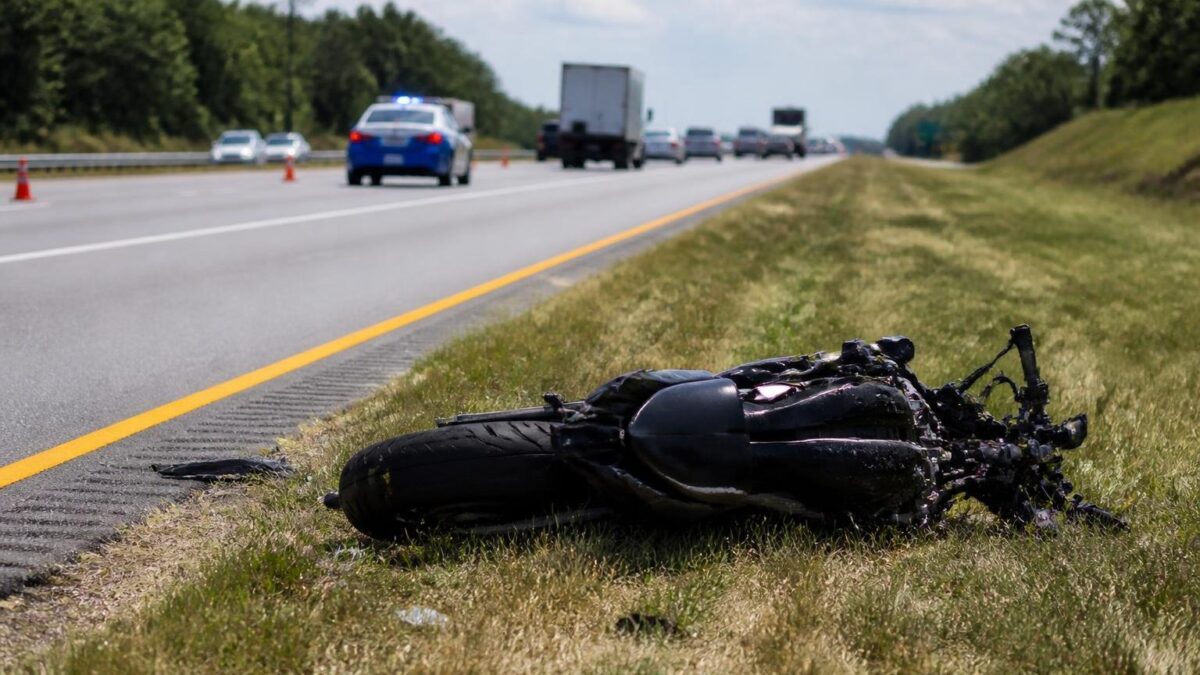
The Lexington County Coroner’s Office has released the identity of a motorcyclist killed in a crash on Interstate 26 westbound this week, marking another tragic loss on South Carolina’s highways. The incident occurred during morning commute hours, shutting down westbound lanes and prompting renewed attention to motorcycle vulnerability on high-speed interstate corridors.
While specific details surrounding the collision mechanics remain under investigation by the South Carolina Highway Patrol, the fatality underscores persistent challenges riders face navigating major thoroughfares where speed differentials, driver inattention, and limited crash protection converge into lethal combinations.
Interstate Riding Presents Unique Hazards
Interstate highways pose distinct risks for motorcyclists compared to surface streets. Sustained high speeds reduce reaction time for all road users, while the mixing of commercial trucks, passenger vehicles, and motorcycles creates complex traffic dynamics. Lane changes at 70 mph leave minimal margin for error, and the kinetic energy involved in collisions at highway speeds dramatically increases injury severity.
South Carolina law requires motorcyclists to wear helmets, a regulation that provides critical head protection but cannot eliminate the fundamental physics of high-speed impacts. Even full protective gear offers limited defense when a 400-pound motorcycle meets a multi-ton vehicle at interstate velocities.
Traffic engineers note that interstate on-ramps and off-ramps represent particularly hazardous zones. Merging vehicles often fail to properly check blind spots, and acceleration lanes compress decision-making windows. For motorcyclists, whose smaller profiles make them less visible, these transition areas demand heightened vigilance.
South Carolina’s Motorcycle Safety Landscape
The Palmetto State records hundreds of motorcycle crashes annually, with fatalities consistently representing a disproportionate share of total traffic deaths relative to motorcycle registration numbers. Interstate 26, which connects Charleston to the Upstate through the Midlands, carries substantial traffic volumes mixing tourism, commerce, and daily commuting.
Lexington County, positioned along this corridor, experiences regular motorcycle traffic both from local riders and those passing through on longer journeys. The county’s proximity to Columbia and connection to popular riding destinations in the mountains and coast makes I-26 a critical artery for two-wheeled travel.
State crash data consistently shows that multi-vehicle collisions account for the majority of serious motorcycle incidents on limited-access highways. Unlike single-vehicle crashes where rider error often plays a central role, interstate collisions frequently involve other drivers failing to yield, changing lanes without adequate clearance, or simply not seeing the motorcycle until too late.
Investigation and Response Protocols
Highway Patrol collision reconstruction teams typically examine multiple factors when investigating fatal motorcycle crashes. Investigators document road conditions, lighting, weather, vehicle positions, skid marks, and debris fields. They interview witnesses and review any available camera footage from commercial vehicles or infrastructure.
For interstate incidents, investigators also consider traffic volume and flow patterns at the time of collision. Were vehicles moving freely or was congestion creating stop-and-go conditions? Did construction zones or other temporary alterations affect normal traffic behavior? These contextual elements help build a complete picture of causation.
The Coroner’s Office conducts its own parallel investigation, determining official cause and manner of death while coordinating with law enforcement. Toxicology results, which can take weeks to process, may reveal whether impairment contributed to the crash, though many fatal motorcycle collisions involve completely sober riders struck by inattentive or reckless drivers.
Legal and Practical Considerations for Riders
South Carolina operates under modified comparative negligence rules, meaning that even in crashes primarily caused by another driver, a motorcyclist’s actions can affect legal outcomes. However, simply being present on a motorcycle does not constitute contributory negligence—riders have equal rights to roadway use.
Insurance considerations add another layer of complexity. South Carolina requires minimum liability coverage but does not mandate uninsured motorist coverage for motorcycles, though experienced riders typically carry it given the prevalence of underinsured drivers. Medical payments coverage becomes critically important when injuries exceed basic policy limits.
For those who regularly ride interstates, defensive strategies include maintaining lane positions that maximize visibility, avoiding blind spots beside large vehicles, and creating spatial buffers in all directions when traffic allows. High-visibility gear, while not legally required beyond basic helmet standards, demonstrably improves conspicuity.
Infrastructure and Policy Questions
Transportation advocates periodically raise questions about highway design elements that could improve motorcycle safety. Wider shoulders provide emergency maneuvering space and safer breakdown areas. Improved sight lines at merge points reduce surprise encounters. Regular maintenance to eliminate debris and fill potholes prevents control loss scenarios.
Some states have explored dedicated motorcycle awareness campaigns targeting all drivers, emphasizing head-check habits and mirror adjustment. Enforcement of distracted driving laws also indirectly protects motorcyclists, as phone use and other distractions significantly increase failure-to-yield crashes.
Technology offers potential improvements as well. Modern vehicles increasingly feature blind-spot monitoring and automatic emergency braking, though these systems vary in their ability to detect motorcycles. Advocacy groups push manufacturers to ensure two-wheeled vehicles trigger these safety features as reliably as cars and trucks.
Community Impact and Prevention
Each motorcycle fatality reverberates through riding communities, prompting renewed conversations about risk management and safety practices. Local chapters of motorcycle organizations often conduct safety courses beyond basic licensing requirements, teaching advanced techniques for hazard recognition and emergency maneuvering.
The South Carolina Department of Motor Vehicles offers motorcycle operator training through approved programs statewide. These courses cover not just basic control skills but also traffic strategy, risk assessment, and crash avoidance. Experienced instructors emphasize that licensing requirements represent minimum competency, not comprehensive preparation for real-world challenges.
Weather conditions, time of day, and seasonal patterns all influence crash risk. Morning and evening commutes see peak traffic density, increasing encounter frequency. Autumn leaves and spring pollen can create slippery surfaces. Summer heat fatigues both riders and drivers, while winter darkness compresses visibility windows.
The Highway Patrol continues investigating the circumstances of the I-26 westbound fatality, working to establish a definitive sequence of events. Whether charges will be filed against other involved parties depends on evidence gathered during this process. Meanwhile, the loss serves as a stark reminder that interstate riding demands constant attention, protective gear, and awareness that visibility remains a persistent challenge no matter how carefully a rider operates.