
Six Men Arrested in Sex Sting Operation at Sturgis Rally

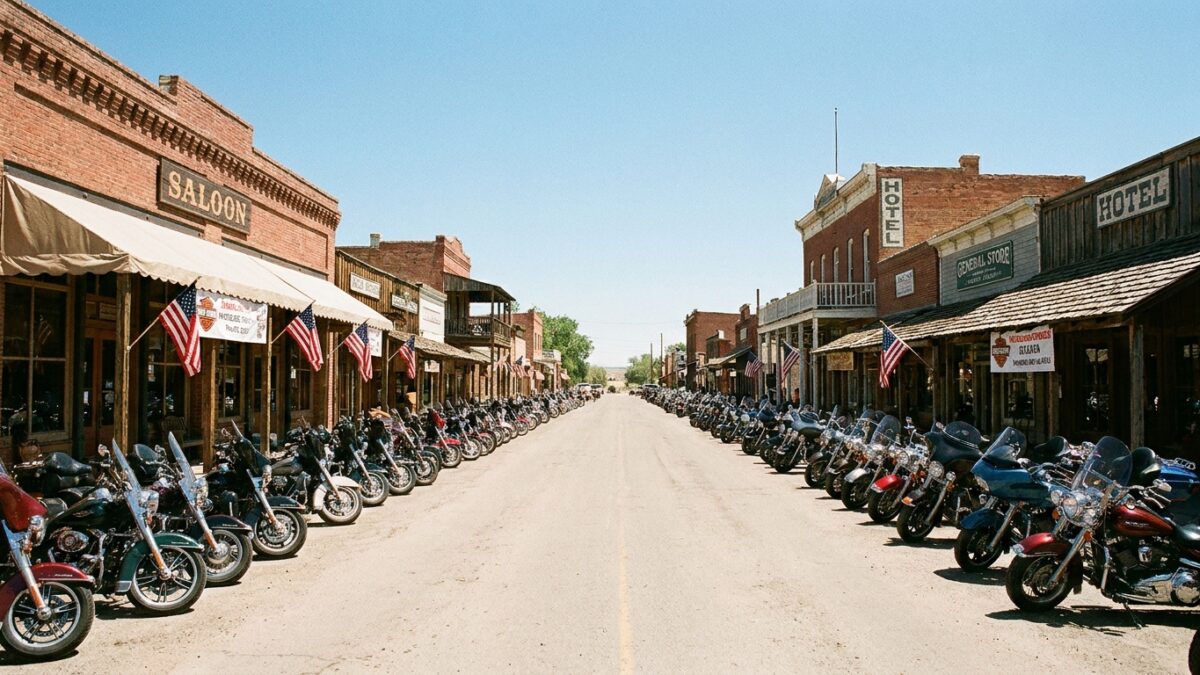
Law enforcement officials arrested six men during the 86th Sturgis Motorcycle Rally in South Dakota on charges related to soliciting prostitution. The arrests came as part of an undercover operation conducted during the annual motorcycle gathering, which draws hundreds of thousands of riders to the Black Hills region each August.
The sting operation represents one component of the broader law enforcement presence required to manage the massive influx of visitors during the rally. The 86th edition of Sturgis attracted approximately 500,000 attendees, requiring coordination among multiple agencies including local police, county sheriffs, state troopers, and federal law enforcement.
Law Enforcement Strategy During Major Rallies
Major motorcycle rallies present unique challenges for law enforcement agencies tasked with maintaining public safety while managing enormous crowds in relatively small communities. Sturgis, a town with a permanent population of roughly 7,000 residents, swells to accommodate half a million visitors during the ten-day event.
This population surge requires extensive preparation and resource allocation. Agencies deploy additional officers from surrounding jurisdictions and typically establish specialized units focusing on traffic enforcement, substance abuse violations, theft prevention, and vice crimes. The approach reflects lessons learned over decades of managing the event, which began in 1938 and has grown into the largest motorcycle rally in the world.
Undercover operations targeting prostitution and human trafficking have become standard procedure at large-scale events where criminal enterprises often attempt to operate. These operations typically involve officers posing as potential customers or service providers to identify and arrest individuals engaged in illegal activity.
Legal Framework in South Dakota
South Dakota law classifies solicitation of prostitution as a Class 1 misdemeanor, carrying potential penalties including jail time up to one year and fines reaching $2,000. Repeat offenders face enhanced charges and mandatory minimum sentences under state statutes designed to discourage recidivism.
The state has also implemented laws specifically addressing human trafficking, recognizing that prostitution-related crimes often involve coercion and exploitation. Law enforcement agencies receive specialized training to identify trafficking victims and differentiate between voluntary participants and those being exploited, though the line between these categories remains contested in legal and advocacy circles.
Individuals arrested during rally operations face immediate booking and arraignment procedures. Out-of-state defendants, who comprise the majority of rally attendees, must typically post bond or remain in custody until their court dates. This creates significant logistical challenges for defendants who traveled long distances to attend the event.
Rally Security Operations Beyond Vice Crimes
The arrests related to prostitution solicitation represent just one aspect of comprehensive law enforcement activities during Sturgis. Officers also focus heavily on impaired driving enforcement, conducting thousands of traffic stops and administering field sobriety tests throughout the rally period.
Motorcycle-specific violations including equipment deficiencies, excessive noise, and reckless operation receive heightened scrutiny. South Dakota law requires specific safety equipment on motorcycles, and officers inspect bikes for compliance with headlight, taillight, and mirror regulations. Noise ordinances, particularly controversial among riders who modify exhaust systems, generate hundreds of citations annually.
Theft prevention efforts concentrate on motorcycle and parts security, as the concentration of valuable bikes and aftermarket components creates opportunities for criminal activity. Rally organizers and law enforcement recommend that riders use disc locks, chains, and covered parking when available. Despite precautions, dozens of motorcycles are reported stolen each year during the event.
Community Impact and Public Safety Concerns
The presence of illegal activity during the rally generates ongoing debate within the Sturgis community and among regular attendees. Some residents and business owners view aggressive law enforcement as necessary to maintain order and protect the rally’s reputation, while others argue that heavy-handed policing alienates visitors and damages the event’s outlaw-friendly mystique.
Local officials balance economic benefits against quality-of-life concerns. The rally generates an estimated $800 million in economic impact for the region, providing critical revenue for businesses that depend on this annual influx. However, residents also contend with noise, traffic congestion, property crimes, and the strain on medical and emergency services.
Emergency rooms and urgent care facilities staff up significantly during the rally period, treating injuries ranging from minor road rash to severe trauma from motorcycle crashes. Alcohol-related incidents, heat exhaustion, and cardiac events among older riders represent common medical challenges during the event.
Ongoing Legal Proceedings
The six men arrested in the prostitution sting face court proceedings in Meade County, where Sturgis is located. The judicial system typically processes rally-related cases over several months following the event, with defendants either appearing in person or arranging representation through South Dakota attorneys.
Some defendants negotiate plea agreements to resolve cases without trial, particularly when facing clear evidence from undercover operations. Others contest charges, requiring evidentiary hearings where officers testify about their observations and interactions during the sting operation.
Implications for Rally Management
The arrests underscore the complex security landscape that organizers and law enforcement navigate during major motorcycle events. As rallies continue growing in size and scope, agencies refine enforcement strategies based on evolving crime patterns and community priorities.
Other major motorcycle rallies including Daytona Bike Week, Laconia Motorcycle Week, and the Republic of Texas Rally face similar challenges. Event organizers share best practices for security planning, crowd management, and coordination with multiple law enforcement jurisdictions.
The question of how aggressively to enforce vice crimes remains contentious. Some argue that consenting adults engaging in prostitution represents a victimless crime that law enforcement should deprioritize, while others maintain that such activity often involves exploitation and creates secondary criminal problems including drug use and violence.
For riders planning to attend major rallies, understanding local laws and enforcement priorities remains essential. What might be tolerated or overlooked in one jurisdiction can result in arrest and prosecution in another, affecting not only immediate legal consequences but also future travel plans and employment prospects.