
Waltham Crash Leaves Motorcycle Rider and Driver Injured

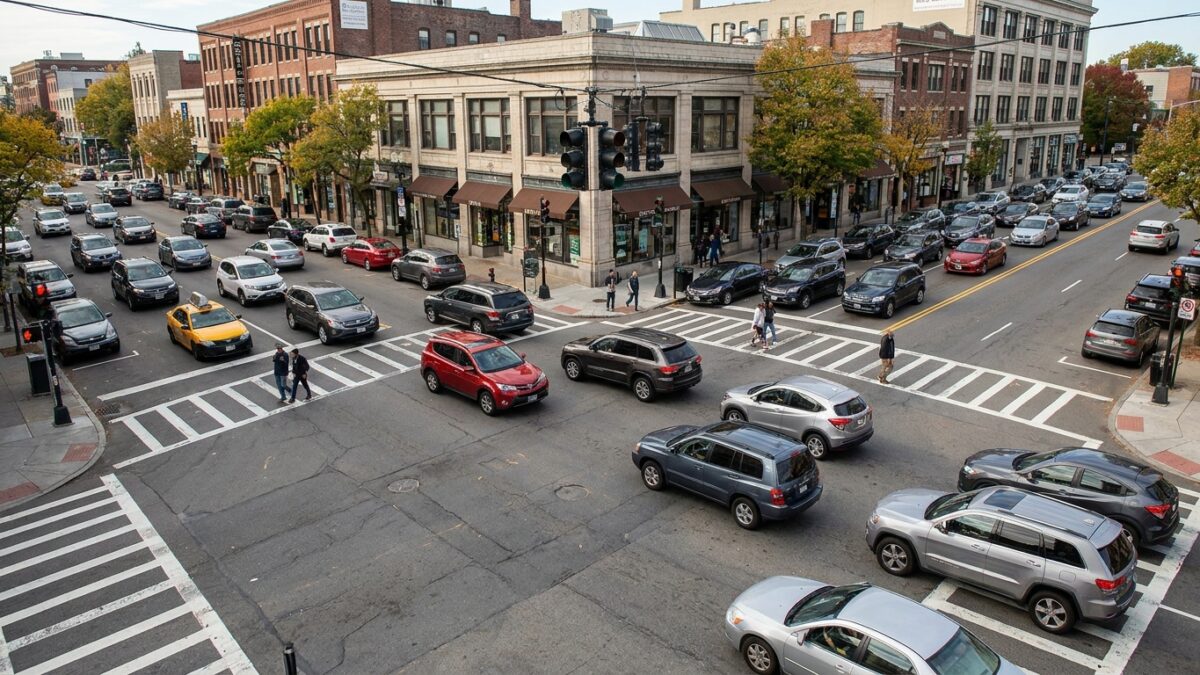
A motorcycle rider and a Jeep driver sustained injuries following a collision in Waltham, Massachusetts, according to local reports. The crash underscores persistent safety challenges facing riders in the Greater Boston area, where motorcycle accidents continue to occur with concerning regularity despite ongoing awareness efforts.
Emergency responders transported both individuals involved in the crash to area hospitals for treatment. The extent of their injuries remained unclear at the time of initial reporting, though such collisions typically result in more severe consequences for motorcyclists due to their lack of protective barriers compared to enclosed vehicles.
Massachusetts Motorcycle Safety Landscape
The Waltham incident joins a growing list of motorcycle-involved accidents across Massachusetts this year. The state requires all motorcycle operators to hold a Class M license or learner’s permit, obtained through both written and road skills testing. Massachusetts also mandates helmet use for all riders and passengers, a law that has remained in effect since the state reversed its brief helmet law repeal in the 1970s.
According to Massachusetts Department of Transportation data, motorcycle crashes account for a disproportionate share of serious traffic injuries despite motorcycles representing a small fraction of registered vehicles. The state typically sees increased motorcycle activity from spring through fall, correlating with higher accident rates during these months.
Urban areas like Waltham present particular challenges for motorcycle safety. The city’s mix of residential streets, commercial corridors, and commuter routes creates complex traffic patterns where visibility issues and driver inattention can lead to collisions. Intersections pose especially high risk, as many motorcycle accidents occur when other vehicles fail to yield or properly observe right-of-way rules.
Common Collision Scenarios
While specific details of how the Waltham crash occurred have not been released, motorcycle-versus-vehicle collisions typically fall into recognizable patterns. Left-turning vehicles crossing a motorcycle’s path account for a significant percentage of urban crashes. Drivers often misjudge motorcycle speed and distance, or fail to see the smaller profile of a bike altogether.
Rear-end collisions represent another common scenario, particularly in stop-and-go traffic where following vehicles may not recognize a motorcycle’s brake lights or underestimate its stopping distance. Side-impact crashes can occur when vehicles change lanes without checking blind spots thoroughly, squeezing motorcyclists who have limited escape options.
The involvement of a Jeep in this particular crash draws attention to the growing presence of larger vehicles on American roads. Sport utility vehicles and trucks now dominate new vehicle sales, raising concerns among safety advocates about sight line disparities between these vehicles and motorcycles. Higher bumper heights and larger blind spots can make it more difficult for SUV drivers to detect motorcycles, especially in congested traffic.
Legal Framework and Liability
Massachusetts follows a modified comparative negligence standard in motor vehicle accidents. This means injured parties can recover damages as long as they are not more than 50 percent at fault for the collision. When motorcycle crashes occur, determining liability often depends on witness statements, traffic camera footage when available, physical evidence at the scene, and police reconstruction of events.
Motorcycle riders in Massachusetts must carry minimum liability insurance coverage of $20,000 per person and $40,000 per accident for bodily injury, plus $5,000 for property damage. However, given the severity of injuries common in motorcycle crashes, these minimums often prove inadequate. Many riders carry additional coverage, including uninsured and underinsured motorist protection, which becomes critical when at-fault drivers lack sufficient insurance.
The state’s no-fault insurance system adds complexity to motorcycle accident claims. While Massachusetts operates under Personal Injury Protection requirements for most vehicles, motorcycles are excluded from this system. Injured motorcyclists must pursue claims directly against at-fault drivers rather than seeking initial coverage through their own PIP policies.
Investigation and Reconstruction
Police investigators examining the Waltham crash will likely review multiple factors to determine what occurred. Skid marks, debris patterns, and vehicle damage provide physical clues about speeds, points of impact, and driver actions immediately before collision. Modern accident reconstruction techniques can create detailed computer models based on this evidence.
Witness accounts play a crucial role, though investigators recognize that eyewitness testimony often proves unreliable due to the speed at which crashes unfold. Traffic signals, posted speed limits, road conditions, and visibility factors all enter into the analysis. Weather conditions at the time of the crash, while not reported in initial accounts, could have contributed if reduced visibility or wet pavement affected either operator’s ability to maneuver.
Determining whether either operator violated traffic laws becomes central to establishing fault. Common violations in motorcycle crashes include speeding, failure to yield, improper lane changes, and distracted driving. Both riders and other vehicle operators can commit these infractions, though statistics show that in multi-vehicle motorcycle crashes, the other vehicle frequently bears primary responsibility.
Recovery and Prevention
For the injured rider and driver, recovery will depend on the nature and severity of their injuries. Motorcycle crash victims often face extended hospital stays, multiple surgeries, and lengthy rehabilitation periods. Even crashes at moderate speeds can result in broken bones, road rash, soft tissue injuries, and traumatic brain injuries despite helmet use.
The financial burden of serious motorcycle injuries can prove devastating. Medical bills quickly accumulate into six figures for complex cases, while lost wages compound the problem for those unable to work during recovery. Long-term disabilities may permanently affect earning capacity and quality of life.
Waltham authorities will examine whether infrastructure improvements might reduce future crash risk at the location where this collision occurred. Better signage, improved lighting, dedicated turn lanes, or traffic signal timing adjustments sometimes emerge as recommendations following accident investigations. However, infrastructure changes typically require time and funding that delays implementation.
Rider education programs emphasize defensive riding techniques that assume other drivers will not see motorcycles. These strategies include positioning within lanes for maximum visibility, using headlights at all times, wearing high-visibility gear, and maintaining escape routes when riding in traffic. While such techniques cannot prevent all accidents, they reduce risk exposure.
The Waltham crash serves as a reminder that motorcycle safety requires attention from both riders and other road users. Until investigation results become available, questions remain about what factors contributed to this particular collision and whether it might have been prevented.