
Summerset Rider Dies in Black Hawk Crash on South Dakota 228

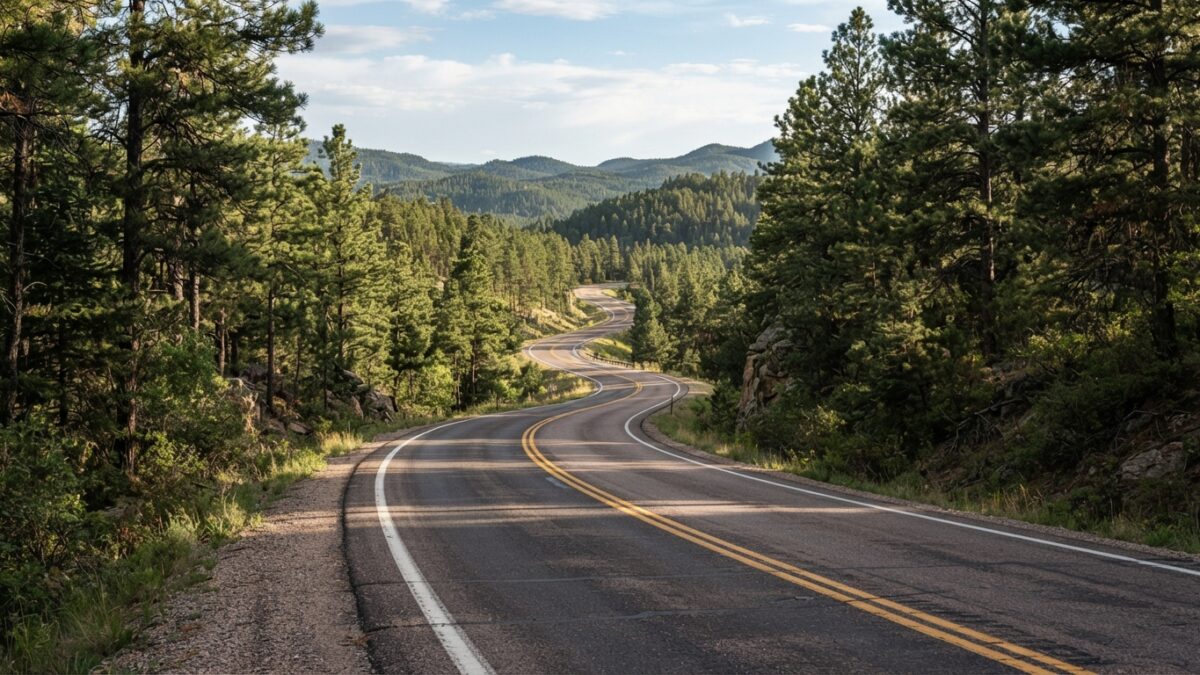
A motorcyclist from Summerset, South Dakota, died following a crash near Black Hawk, according to local authorities. The single-vehicle collision occurred on a stretch of highway known for its scenic appeal and challenging curves, raising renewed questions about rider safety on the state’s rural roadways.
The incident adds to a sobering tally of motorcycle fatalities in South Dakota, a state that draws thousands of riders each year for its legendary open roads and annual rallies. While details surrounding the specific cause of the crash remain under investigation, the location and circumstances reflect a pattern familiar to law enforcement and safety advocates across the region.
The Crash Site and Initial Response
The collision took place on a section of roadway near Black Hawk, a small community situated in the southwestern portion of Meade County. Black Hawk sits along routes frequently traveled by motorcyclists heading between Rapid City and the northern Black Hills, an area dotted with historic mining towns and popular riding destinations.
Emergency responders arrived on scene to find the motorcyclist had sustained critical injuries. Despite immediate medical attention, the rider succumbed to injuries sustained in the crash. Authorities have not released the identity of the victim pending notification of family members, though officials confirmed the rider resided in Summerset, a growing town located approximately thirty miles east of Rapid City.
The Meade County Sheriff’s Office is leading the investigation, with assistance from the South Dakota Highway Patrol. Investigators are examining factors including road conditions, visibility, mechanical failure, and rider behavior to determine what led to the fatal outcome.
South Dakota’s Motorcycle Safety Landscape
South Dakota has long held a unique position in American motorcycle culture. The state’s minimal helmet requirements, wide-open spaces, and the annual Sturgis Motorcycle Rally contribute to both its appeal and its risk profile. Under current state law, riders aged eighteen and older are not required to wear helmets, a policy that places South Dakota among the least restrictive states for motorcycle regulation.
This legislative approach reflects a broader philosophy favoring personal freedom, a value deeply embedded in the state’s political culture. Yet it also means that when crashes occur, riders may face more severe consequences than they would in states with universal helmet mandates.
According to the National Highway Traffic Safety Administration, helmets reduce the risk of death in motorcycle crashes by approximately thirty-seven percent. In states without helmet laws, fatality rates per registered motorcycle tend to run higher than in states with comprehensive requirements.
South Dakota recorded twenty-nine motorcycle fatalities in the most recent year for which complete data is available, a figure that represents a small but significant portion of the state’s overall traffic deaths. Given the relatively low population and high number of seasonal riders passing through, the rate of motorcycle deaths per capita remains a concern for public health officials.
The Black Hills Riding Environment
The roads around Black Hawk and the greater Black Hills region present particular challenges for motorcyclists. Elevation changes, tight curves, and variable weather conditions demand constant attention and skill. What appears as a clear, dry road in the morning can become slick with afternoon rain or evening dew, especially in forested areas where sunlight penetrates slowly.
Wildlife crossings add another layer of unpredictability. Deer, elk, and other animals frequently move across highways, particularly during dawn and dusk hours. A sudden encounter with a large animal can prove catastrophic for a rider with limited reaction time.
Local riders familiar with these roads understand the importance of defensive riding strategies: maintaining safe speeds through corners, scanning far ahead for hazards, and leaving margin for the unexpected. Yet even experienced motorcyclists can find themselves caught out by a momentary lapse in concentration or an unforeseen obstacle.
Legal and Investigative Procedures
Following a fatal motorcycle crash in South Dakota, investigators typically examine multiple lines of evidence. Skid marks, debris patterns, and damage to the motorcycle provide physical clues about speed, braking, and point of impact. Toxicology tests determine whether alcohol or drugs played a role, though results can take weeks to process.
Witness statements, if available, offer additional perspective. In rural areas, however, crashes often occur on lonely stretches of road with no other travelers present, leaving investigators to reconstruct events from physical evidence alone.
If mechanical failure is suspected, the motorcycle may be impounded for detailed inspection. Brake systems, tires, steering components, and throttle mechanisms all come under scrutiny. Manufacturers have occasionally faced liability claims when defects contribute to crashes, though such cases remain relatively rare.
Once the investigation concludes, the Highway Patrol or Sheriff’s Office typically releases a summary of findings. If criminal conduct such as reckless driving or impaired operation is identified, charges may follow. More commonly, fatal single-vehicle crashes result in no charges, classified instead as tragic accidents.
Community Impact and Rider Responsibility
For the Summerset and Black Hawk communities, each motorcycle fatality serves as a stark reminder of the risks inherent in riding. These small towns, where neighbors know one another and news travels quickly, feel the loss acutely. Memorial rides and roadside markers often appear in the wake of such tragedies, honoring fallen riders and cautioning those who follow.
Rider advocacy groups emphasize that safety begins with personal responsibility. Proper training through courses offered by the Motorcycle Safety Foundation or similar organizations can dramatically reduce crash risk. Defensive riding techniques, appropriate gear, and regular motorcycle maintenance form the foundation of a safety-minded approach.
Even in states without helmet mandates, many experienced riders choose to wear helmets along with armored jackets, gloves, and boots. The difference in injury severity between a crash in full protective gear versus minimal clothing can mean the difference between walking away and life-altering trauma.
What Remains Unknown
As the investigation into the Black Hawk crash continues, key questions remain unanswered. Was speed a factor? Did the rider encounter an unexpected obstacle? Was protective gear worn, and if so, to what extent? The answers to these questions may emerge in the coming weeks as investigators complete their work and compile their findings.
For now, the death stands as one more entry in the ongoing chronicle of motorcycle crashes that affect communities across South Dakota and the nation. Each incident carries its own circumstances, yet common threads of vulnerability, risk, and the unforgiving nature of physics connect them all.
Riders passing through the Black Hawk area in the days ahead will likely see evidence of the crash scene, a somber reminder to assess their own approach to safety and risk. The roads that offer freedom and exhilaration also demand respect and vigilance, lessons that sometimes come at the highest possible cost.