
Two Fremont Riders Killed in Seneca County Crash on State Route 67

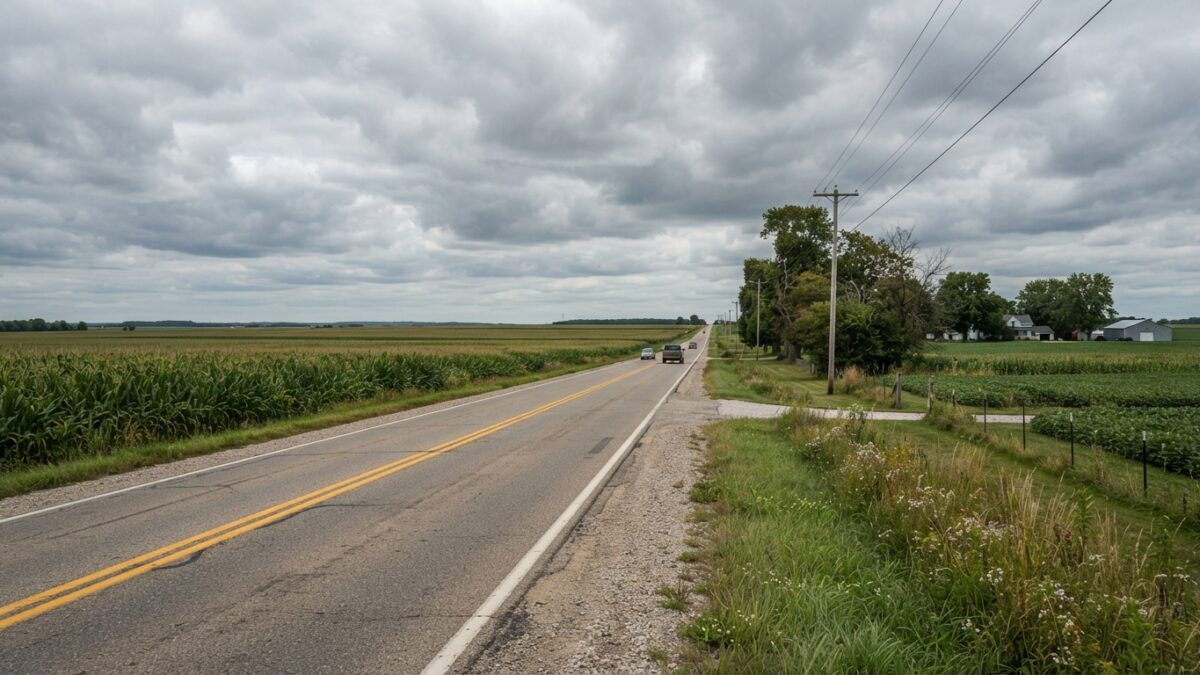
Two motorcyclists from Fremont lost their lives in a crash in Seneca County, Ohio, according to local law enforcement reports. The incident occurred on a rural stretch of roadway in an area known for agricultural traffic and seasonal tourist routes connecting communities across northwestern Ohio.
The crash adds to a troubling pattern of motorcycle fatalities on rural highways in the region, where riders often encounter unexpected hazards ranging from gravel on pavement to agricultural equipment entering roadways with limited visibility.
Rural Road Conditions in Seneca County
Seneca County sits in the heart of Ohio’s agricultural belt, with State Routes 67, 100, and 19 serving as major arteries connecting small towns and farming communities. These roads attract motorcyclists during warmer months due to scenic routes through corn and soybean fields, but they present distinct challenges compared to urban roadways.
Rural highways in this region typically feature 55 mph speed limits with minimal shoulder width. Farm equipment regularly crosses or travels these roads during planting and harvest seasons, creating situations where slow-moving vehicles occupy lanes that motorcyclists expect to be clear. Gravel and dirt tracked onto pavement from field entrances create traction hazards, particularly in curves.
The stretch of highway where this crash occurred sees steady traffic between Fremont and Tiffin, two population centers approximately twenty miles apart. Commuters, commercial vehicles, and recreational riders all share these roads, which lack the controlled access and consistent maintenance of interstate highways.
Ohio Motorcycle Safety Statistics
According to Ohio Department of Public Safety data, the state recorded 186 motorcycle fatalities in 2022, representing an increase from previous years. Rural counties consistently account for a disproportionate share of these deaths relative to their population and traffic volume.
Factors contributing to rural motorcycle fatalities include higher speed limits, longer emergency response times, and roadway characteristics that differ significantly from urban environments. Wildlife crossings, blind driveways, and intersections with limited sightlines all present hazards that require constant rider vigilance.
Northwestern Ohio counties including Seneca, Sandusky, and Seneca have seen multiple fatal motorcycle crashes in recent years. Law enforcement agencies in these areas conduct seasonal safety campaigns reminding both riders and drivers of passenger vehicles to maintain awareness, particularly during spring and fall when lighting conditions change rapidly and sun glare affects visibility.
Legal Framework for Motorcycle Operation in Ohio
Ohio requires all motorcycle operators to hold a valid motorcycle endorsement on their driver’s license, obtained through written and skills testing. The state mandates helmet use only for riders under eighteen and those holding a novice permit, making it a partial-helmet state under national classifications.
Lane splitting remains illegal in Ohio, though legislation has been proposed in recent years to allow the practice under controlled conditions. Current law requires motorcycles to occupy a full lane and prohibits riding between lanes of traffic.
Ohio law also addresses liability issues in motorcycle crashes. The state follows a modified comparative negligence system, where injured parties can recover damages unless they are found more than fifty percent at fault for the crash. This legal framework becomes relevant when crashes involve multiple vehicles or questions arise about right-of-way and roadway positioning.
Emergency Response Challenges in Rural Counties
Seneca County covers 551 square miles with a population under 56,000, resulting in relatively sparse emergency services coverage compared to metropolitan areas. Response times from crash scene to hospital can exceed thirty minutes in some parts of the county, a critical factor in survivability for severe trauma cases.
Rural volunteer fire departments and EMS services form the backbone of emergency response in areas like Seneca County. These organizations face ongoing challenges with recruitment, training, and equipment funding. Advanced trauma care typically requires transport to larger facilities in Freeway, Toledo, or even Columbus depending on injury severity and helicopter availability.
The combination of high-speed crashes and extended response times creates particularly dangerous conditions for motorcyclists, who lack the protective cage structure of enclosed vehicles. Even crashes survivable with immediate medical intervention can prove fatal when definitive care arrives twenty or more minutes after impact.
Protective Gear and Crash Survivability
While helmet laws apply only to certain riders in Ohio, crash data consistently demonstrates that proper protective equipment significantly improves survival rates and reduces injury severity. Full-face helmets, armored jackets, reinforced pants, gloves, and over-ankle boots all contribute to rider protection in crash scenarios.
Rural highway crashes often involve different impact dynamics than urban accidents. Higher speeds mean greater force upon impact, but the absence of fixed objects like concrete barriers or parked cars can sometimes result in riders sliding across pavement or into fields rather than striking immovable obstacles.
Abrasion resistance becomes critical in these scenarios. Quality riding gear with CE-rated armor and abrasion-resistant materials can mean the difference between road rash requiring weeks of healing versus injuries demanding surgery and extended hospitalization.
Gear Considerations for Rural Riding
Riders who regularly travel rural highways face environmental factors that differ from urban commuting. Temperature extremes, sudden weather changes, and extended periods away from services require gear choices that balance protection with versatility.
Visibility becomes paramount on roads where drivers may not expect to encounter motorcycles. High-visibility colors, reflective materials, and auxiliary lighting all help ensure that riders register in the peripheral vision of drivers focused on navigating agricultural equipment or watching for deer crossings.
Community Impact and Road Safety Initiatives
Fatal crashes affect small communities differently than urban areas. In towns like Fremont, with populations under 17,000, motorcycle fatalities often involve people known personally to significant portions of the community. Local riding groups, motorcycle dealerships, and service shops feel these losses acutely.
Seneca County law enforcement agencies conduct periodic safety initiatives targeting both motorcyclists and passenger vehicle drivers. These campaigns emphasize the “look twice” message for drivers at intersections and remind riders about appropriate speed for conditions and the importance of maintaining equipment in proper working order.
The Ohio State Highway Patrol maintains a visible presence on rural highways, particularly during peak riding season from April through October. Enforcement efforts focus on aggressive driving, impaired operation, and equipment violations that compromise safety for all road users.