
Serious Crash on Transmountain Road Highlights Motorcycle Safety Concerns

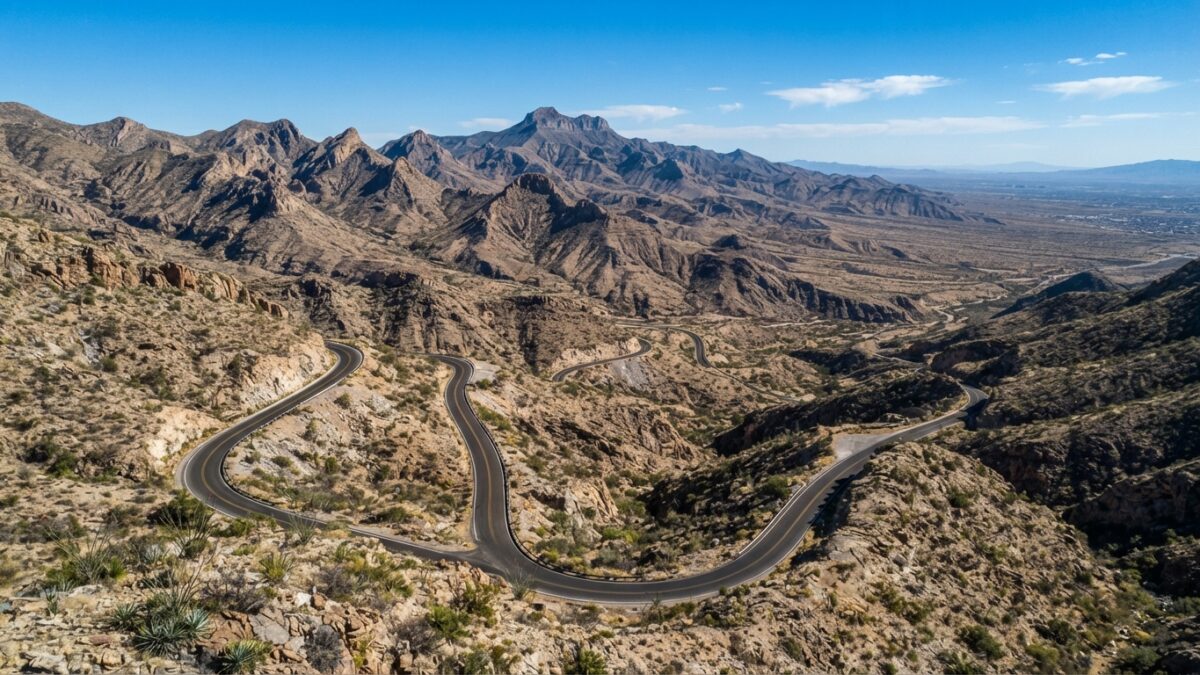
A serious motorcycle crash on Transmountain Road in El Paso, Texas left one person with critical injuries, according to local authorities responding to the scene. The collision occurred on a stretch of roadway known for its scenic views and popular among riders, but also recognized for its challenging curves and elevation changes.
Emergency responders transported the injured individual to a nearby trauma center following the incident. Law enforcement officials have not released the identity of the person involved or detailed the specific circumstances that led to the crash. The investigation remains ongoing as authorities work to reconstruct the sequence of events.
Transmountain Road and Rider Traffic
Transmountain Road, designated as Loop 375, serves as a major thoroughfare connecting the east and west sides of El Paso while traversing the Franklin Mountains. The road’s combination of sweeping curves, elevation gains, and relatively light traffic during off-peak hours makes it attractive to motorcyclists seeking an engaging ride within city limits.
The route climbs more than 1,000 feet over its approximately 20-mile span, presenting riders with technical challenges including varying road surfaces, sharp turns, and significant grade changes. While the road offers spectacular views of the surrounding desert landscape and the El Paso metro area, these same features demand consistent attention from riders navigating the terrain.
Local rider communities frequently use Transmountain for group rides and individual training runs. The road’s accessibility from multiple neighborhoods throughout El Paso makes it a convenient destination for riders looking to escape urban traffic without traveling long distances.
Crash Patterns on Mountain Roads
Mountain and hill country roads present distinct hazards compared to flat highway riding. Riders face challenges including decreasing radius turns, blind corners, gravel or debris in the roadway, and temperature variations that can affect tire performance and rider comfort.
According to motorcycle safety research, single-vehicle crashes on curved roads often involve riders entering turns at excessive speeds or with improper body positioning. The consequences of these errors become more severe on mountain roads where guardrails may be minimal and drop-offs significant.
Environmental factors also play roles in mountain road crashes. Wind conditions can change rapidly with elevation and around peaks, affecting bike stability. Sun glare during certain times of day can reduce visibility through critical sections. Wildlife crossings occur more frequently on roads that cut through natural habitats.
Texas Motorcycle Safety Framework
Texas law requires all motorcycle operators to hold a Class M license or a Class A, B, or C driver license with a motorcycle endorsement. Riders under 21 must complete an approved motorcycle safety course regardless of previous experience. Helmet use is mandatory for riders under 21 and for any rider without required insurance coverage or who has not completed an approved training course.
The Texas Department of Transportation operates multiple motorcycle safety initiatives aimed at reducing crashes and fatalities. These programs emphasize rider education, proper gear use, and defensive riding techniques. The state also conducts annual campaigns highlighting motorcycle awareness among all road users.
Despite these efforts, Texas consistently ranks among states with the highest numbers of motorcycle fatalities. The combination of year-round riding weather, extensive road networks, and significant rider populations contributes to elevated crash statistics. Urban areas like El Paso see crashes throughout the year rather than only during traditional riding seasons.
Investigation and Road Conditions
Crash investigators typically examine multiple factors when reconstructing motorcycle collisions. Physical evidence at the scene including skid marks, debris fields, and impact points provides data about speeds and trajectories. Road surface conditions, sight lines, and signage also undergo scrutiny.
Transmountain Road has undergone various maintenance and improvement projects over recent years, addressing pavement conditions and drainage issues. However, the fundamental character of the road—its curves, grades, and exposure to weather—remains unchanged. Riders must approach the route with appropriate skills and realistic assessments of their abilities.
Witness statements and video evidence from nearby traffic cameras or personal devices often assist investigators in determining how crashes developed. In cases involving serious injuries, reconstruction specialists may use advanced modeling to analyze the incident.
Practical Implications for Riders
This crash serves as a reminder for riders to assess their preparedness before tackling challenging roads. Pre-ride inspections covering tires, brakes, lights, and fluid levels help ensure mechanical reliability. Proper protective gear including helmets, jackets, gloves, and boots reduces injury severity when crashes occur.
Riders should approach unfamiliar roads with caution, especially those with significant elevation changes or complex geometries. Riding within personal skill limits and current conditions prevents many single-vehicle crashes. Group rides require additional attention to maintaining safe spacing and avoiding competitive behaviors that encourage risk-taking.
Mental and physical condition also affects riding safety. Fatigue, distraction, impairment, or emotional stress degrades decision-making and reaction times. Choosing when not to ride demonstrates maturity and protects both the individual rider and others sharing the road.
Community Response and Support
Local rider communities often rally around injured members, organizing support efforts and raising awareness about the incident. These responses reinforce the bonds within the riding community while highlighting the real consequences that crashes bring to individuals, families, and friend networks.
Rider advocacy groups use crash incidents to promote training opportunities and safety campaigns. These organizations work to balance enthusiasm for riding with realistic acknowledgment of inherent risks, encouraging riders to invest in skill development and proper equipment.
The specific details surrounding this Transmountain crash remain under investigation, including whether other vehicles were involved, what road conditions existed at the time, and what actions the rider took immediately before the collision. Authorities have not indicated whether citations will be issued or what contributing factors they have identified thus far.