
Dorset, Vermont Motorcycle Crash Claims Rider’s Life on Rural Road

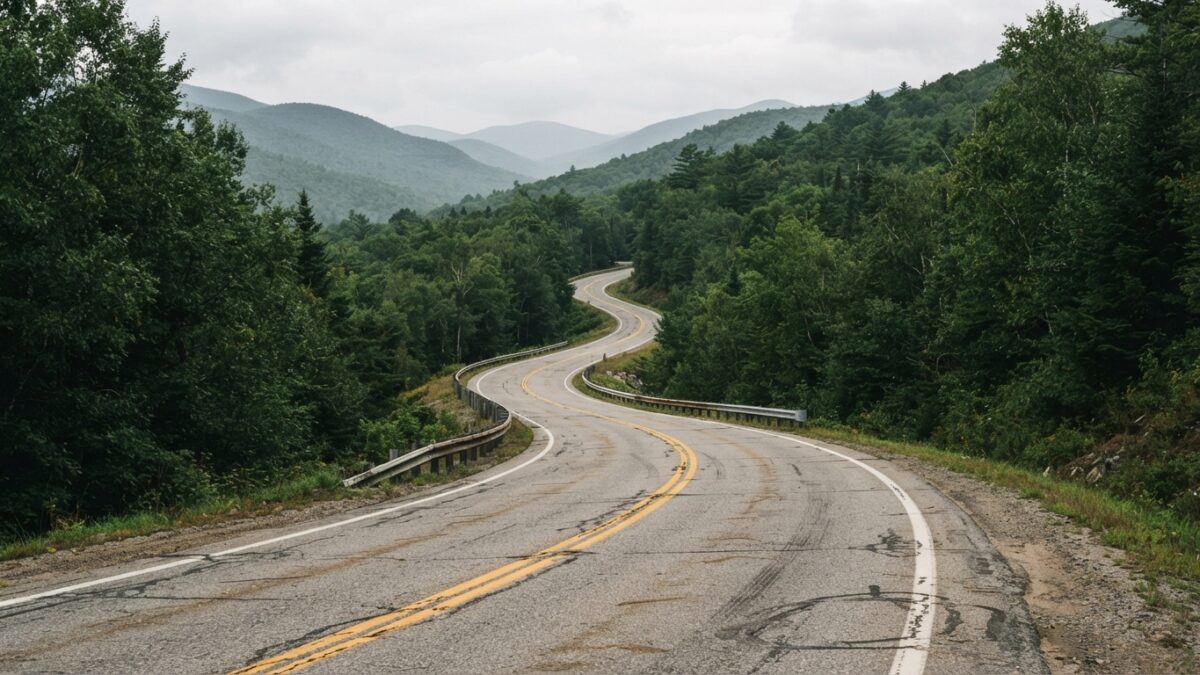
A motorcyclist lost their life in a single-vehicle crash in Dorset, Vermont, according to local authorities. The incident occurred on a rural roadway in the small southwestern Vermont town, adding to the state’s motorcycle fatality statistics for the year. While specific details about the crash remain under investigation, the tragedy underscores the persistent risks riders face on Vermont’s scenic but challenging road network.
Vermont State Police and local emergency responders arrived at the scene following reports of the crash. The identity of the deceased rider has not been publicly released pending family notification, following standard protocol in fatal traffic incidents. Investigators are working to determine the exact circumstances that led to the crash, including road conditions, speed, and whether any mechanical issues contributed to the accident.
Dorset’s Road Network and Rider Appeal
Dorset, a town of fewer than two thousand residents tucked in the Green Mountains, attracts motorcyclists drawn to the region’s winding roads and mountain vistas. Routes through Bennington County offer sweeping curves and elevation changes that appeal to sport and touring riders alike, but these same characteristics demand heightened attention and skill. The town sits along Vermont Route 30, a popular corridor connecting Manchester to Pawlet that sees considerable seasonal motorcycle traffic.
The area’s roads were originally carved through challenging terrain, with limited sight lines around bends and variable pavement conditions that can shift dramatically with weather. For riders unfamiliar with the routes, these factors multiply the inherent risks of motorcycling. Even experienced riders acknowledge that Vermont’s back roads require constant vigilance, particularly during spring and early summer when road surfaces may still harbor winter damage and wildlife activity increases.
Vermont Motorcycle Safety Statistics
Vermont has seen fluctuating motorcycle fatality numbers in recent years. The state recorded eighteen motorcycle deaths in 2022, down from twenty-three the previous year, according to Vermont Highway Safety Alliance data. However, motorcyclists remain disproportionately represented in fatal crashes relative to their percentage of overall traffic. The state’s relatively short riding season compresses most motorcycle activity into a five-month window, intensifying exposure during peak travel periods.
Single-vehicle motorcycle crashes, like the Dorset incident, represent a significant portion of rider fatalities nationwide. According to National Highway Traffic Safety Administration data, approximately forty-two percent of fatal motorcycle crashes involve only the motorcycle, with factors including loss of control, road departure, and fixed object collisions. Unlike multi-vehicle accidents where fault may be disputed, single-vehicle crashes often point to a combination of rider error, road conditions, or mechanical failure.
Investigation and Reconstruction Process
State police crash reconstruction teams typically deploy to fatal motorcycle accidents to document evidence before it deteriorates. Investigators photograph skid marks, debris fields, and road surface conditions, then use mathematical models to estimate speeds and trajectory. They examine the motorcycle for mechanical defects, brake function, and tire condition. Toxicology results, which can take weeks to process, form another standard component of fatal crash investigations.
In rural areas like Dorset, response times can affect both survival outcomes and evidence preservation. Vermont’s geography means some crash sites sit twenty minutes or more from the nearest emergency medical facility. For severe trauma, that window often proves critical. The state’s limited helicopter emergency services can reduce transport times, but weather and terrain sometimes preclude their use.
Helmet Laws and Protective Gear
Vermont maintains a universal helmet law requiring all motorcycle operators and passengers to wear helmets meeting Department of Transportation standards. The law, enacted in 1968 and strengthened over subsequent decades, lacks the exemptions found in many other states. Riders aged eighteen and older in states like Florida and Texas can ride helmet-free if they meet certain insurance requirements, but Vermont offers no such option.
Helmet effectiveness in reducing fatal injuries remains well-documented in crash research. The Insurance Institute for Highway Safety estimates helmets reduce motorcycle rider deaths by thirty-seven percent and head injury risk by sixty-nine percent. Despite this evidence, helmet laws remain politically contentious in many jurisdictions, with riders’ rights groups arguing for personal choice while safety advocates point to the societal costs of severe injuries.
Beyond helmets, protective clothing plays a measurable role in injury severity. Abrasion-resistant jackets, reinforced pants, gloves, and boots can mean the difference between road rash and manageable injuries in a crash. However, Vermont law does not mandate protective gear beyond helmets, leaving those decisions to individual riders.
Rural Road Hazards for Motorcyclists
Vermont’s rural character presents specific hazards not found on interstate highways or urban streets. Gravel migration from unpaved driveways creates traction hazards at intersections. Farm equipment leaving mud or debris on pavement reduces grip during cornering. Wildlife, particularly white-tailed deer, frequently cross roadways at dawn and dusk, giving riders minimal reaction time.
Road maintenance budgets in small towns often lag behind needs, leaving potholes, frost heaves, and edge drop-offs unrepaired for extended periods. A defect that poses minimal risk to a four-wheeled vehicle can prove catastrophic for a motorcycle, where a single wheel striking an obstacle can destabilize the entire machine. Riders traveling through unfamiliar areas face the additional challenge of navigating these hazards without advance knowledge of problem spots.
Community Impact and Response
Motorcycle fatalities ripple through small communities like Dorset in ways that urban areas may not experience. In a town where most residents know one another, a fatal crash becomes personal regardless of whether the victim lived locally or was passing through. Local fire departments and emergency medical technicians, often volunteers, respond to these scenes knowing they may be treating someone they recognize.
The crash also serves as a reminder for local riders about the stakes involved every time they swing a leg over the bike. Riding groups often pause to acknowledge losses within the broader motorcycle community, and incidents like this prompt conversations about risk management and safety practices. Whether those discussions translate to changed behavior varies by individual, but awareness certainly spikes following a nearby fatality.
What remains unclear is whether any infrastructure factors contributed to this particular crash. Vermont conducts road safety audits on high-crash corridors, but many rural routes receive minimal scrutiny due to resource constraints. If investigators identify a specific road defect or hazard, transportation officials may prioritize remediation, but that process typically unfolds over months or years rather than immediately.