
Fatal Crash Claims Rider En Route to Lone Star Rally in Texas

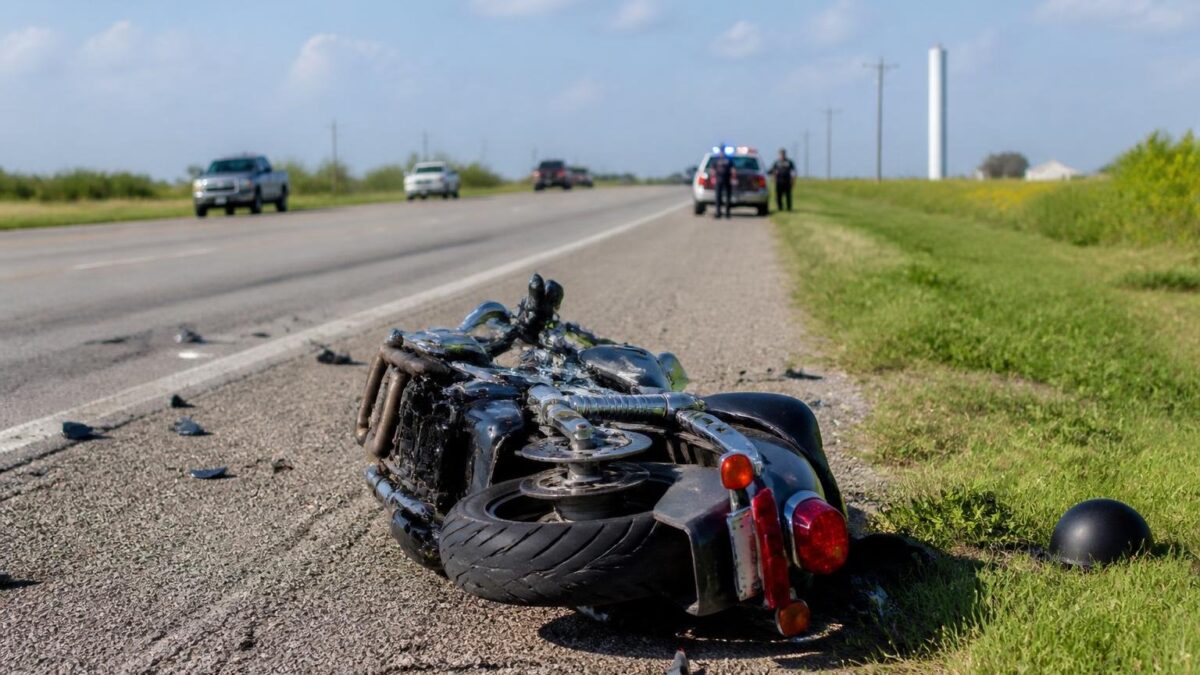
A motorcycle rider died and three others sustained injuries following a crash on State Highway 87 near Port Bolivar, Texas, as they traveled toward the Lone Star Rally in Galveston. The incident occurred on roadways that see heavy motorcycle traffic during the annual rally weekend, one of the largest motorcycle gatherings in the Southwest.
The crash happened on the route commonly used by riders heading to the rally, which draws tens of thousands of motorcyclists to the Galveston area each November. State Highway 87 serves as a primary access road for riders coming from the eastern part of Texas and Louisiana, making it a critical corridor during major rally events.
Rally Season Traffic Creates Heightened Risk
The Lone Star Rally annually transforms Galveston into a destination for custom builders, aftermarket vendors, and riders from across the country. With that convergence comes increased traffic on regional highways, particularly routes like State Highway 87 that connect to the island city.
This specific stretch of highway presents particular challenges for motorcycle traffic. The road serves both the residential Port Bolivar community and through traffic heading to Galveston via the free ferry service. During rally weekends, the volume of motorcycle traffic increases substantially, often creating conditions where large groups of riders share the road with passenger vehicles and commercial traffic.
Texas Department of Public Safety officials have not released details about the specific circumstances that led to the fatal crash, including whether multiple motorcycles were involved in a single incident or if separate crashes occurred in proximity. The investigation remains ongoing, with authorities working to reconstruct the sequence of events.
The Numbers Behind Rally Weekend Crashes
Major motorcycle rallies create statistical spikes in motorcycle-related crashes along approach routes and within host communities. Data from previous years shows that emergency services in Galveston County typically respond to more motorcycle incidents during rally weekends than during comparable periods without major events.
The concentration of riders on specific routes, combined with varying skill levels among participants and the social nature of rally attendance, contributes to elevated risk. Some riders attend rallies after months without significant riding, while others push their limits on unfamiliar roads while keeping pace with groups.
Texas law does not require helmet use for riders over 21 who have completed a safety course or carry sufficient insurance coverage, a policy that affects injury severity in crashes. The state recorded more than 400 motorcycle fatalities in the most recent annual reporting period, with helmet use remaining a contentious topic in rider advocacy circles.
Group Riding Dynamics and Highway Hazards
Riders traveling to rallies often ride in groups, a practice that offers social benefits but introduces specific hazards. Group riding requires skill in maintaining formation, managing spacing, and communicating within the group about road hazards and traffic conditions.
State Highway 87 presents challenges including variable pavement conditions, limited shoulder space in certain sections, and interaction with ferry traffic near the Galveston crossing. These factors require heightened attention from riders, particularly those unfamiliar with the route.
The Motorcycle Safety Foundation emphasizes that group riding demands pre-ride planning, established hand signals, and agreement on formation practices. When groups encounter unexpected situations such as sudden braking or debris in the roadway, the reaction time for trailing riders compresses, potentially leading to multi-vehicle incidents.
Ferry Crossing Considerations
The approach to the Bolivar Ferry represents a unique hazard point where motorcycle traffic must navigate queuing, interacting with commercial vehicles, and transitioning onto the ferry deck. Riders traveling to the Lone Star Rally typically use this free ferry service as the primary access to Galveston Island.
The ferry crossing itself requires careful maneuvering, as motorcycles must navigate the metal deck surface and secure their machines during the short crossing. After arrival on Galveston Island, riders enter heavy traffic in downtown areas where the rally concentrates.
Rally Organizers and Safety Measures
The Lone Star Rally operates as a street festival with designated vendor areas, live music venues, and organized rides. Event organizers coordinate with local law enforcement and emergency services to manage the influx of riders, but safety on approach routes falls outside direct event control.
Galveston County emergency services prepare for increased call volume during the rally weekend, positioning additional units and coordinating trauma response. The proximity to major medical facilities in the Houston metropolitan area provides access to trauma care, though response times vary depending on incident location.
Many riders attend the rally as an annual tradition, making pilgrimages from across Texas and neighboring states. The event features custom bike competitions, aftermarket vendor displays, and live entertainment, creating a multi-day gathering that celebrates motorcycle culture.
What Remains Unclear
Critical details about the fatal crash remain under investigation. Authorities have not disclosed whether the incident involved a single motorcycle or multiple riders, whether other vehicles contributed to the crash, or what specific section of State Highway 87 served as the crash site.
The identities of the deceased rider and the injured parties have not been released pending family notification. The extent of injuries sustained by the three surviving crash victims also remains unreported, as does information about whether they required transport to trauma facilities.
Weather conditions at the time of the crash have not been cited as factors, though investigators typically examine road surface conditions, visibility, and traffic density as part of comprehensive crash reconstruction.
The incident serves as a reminder that rally season, while celebratory, demands full attention to riding fundamentals. The enthusiasm of reaching a major event can lead riders to overlook basic safety practices, particularly in the final miles of a journey when fatigue may factor into decision-making and reaction times.