
Fatal Motorcycle Crash in Streetsboro Raises Questions About Highway Safety

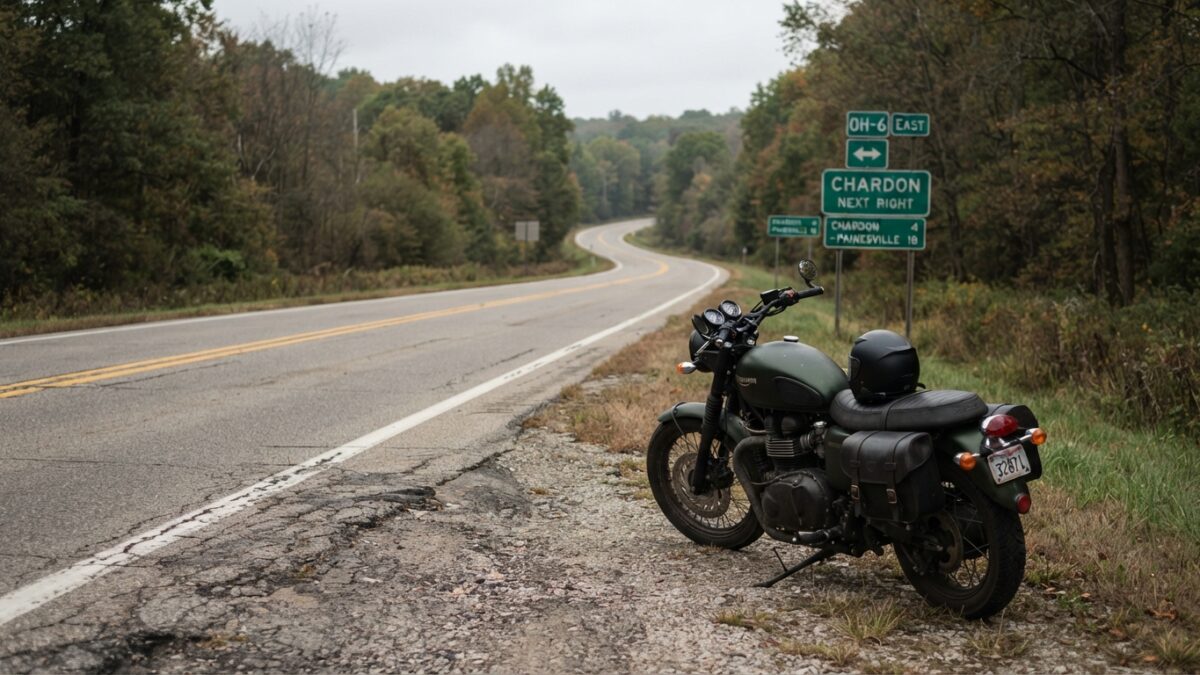
A motorcyclist died following a collision in Streetsboro, Ohio, according to local authorities. The crash occurred on a roadway in the northeastern Ohio city, adding to a concerning pattern of motorcycle fatalities across the state during the current riding season.
Streetsboro police responded to the scene and began an investigation into the circumstances surrounding the fatal collision. While specific details about the crash location, time, and contributing factors remain under investigation, the incident highlights ongoing concerns about motorcycle safety on Ohio roadways.
Investigating the Circumstances
Law enforcement officials have not yet released the identity of the deceased rider pending family notification. The investigation will likely examine multiple factors including road conditions, weather, visibility, speed, and whether any other vehicles were involved in the collision.
Crash reconstruction teams typically analyze skid marks, vehicle positions, debris patterns, and witness statements to piece together the sequence of events leading to fatal motorcycle accidents. In Ohio, the State Highway Patrol and local police departments work together on serious crash investigations, particularly those involving fatalities.
The investigation process can take weeks or even months before authorities release a comprehensive report detailing the probable cause of the crash. This timeline allows investigators to collect physical evidence, interview witnesses, review any available surveillance or dashcam footage, and consult with accident reconstruction specialists.
Streetsboro’s Road Network and Traffic Patterns
Streetsboro sits at a major crossroads in Portage County, with State Route 14 and State Route 43 intersecting near the city center. The community also lies adjacent to Interstate 480 and the Ohio Turnpike, creating significant through-traffic alongside local vehicles.
These highway connections make Streetsboro a transitional zone where high-speed interstate traffic merges with local roads, creating potential hazards for all motorists, particularly vulnerable road users like motorcyclists. The mix of commercial trucking, commuter traffic, and recreational riders on these routes demands heightened awareness from all parties.
Ohio law requires motorcyclists to wear helmets if they are under 18 or hold a novice license for less than one year. Riders over 18 with a valid motorcycle endorsement can choose whether to wear a helmet, though safety advocates consistently recommend protective gear regardless of legal requirements.
Ohio Motorcycle Crash Statistics
According to the Ohio Department of Public Safety, the state has experienced fluctuating motorcycle fatality numbers in recent years. The agency tracks crashes through its Ohio Traffic Safety Office, which compiles data on all motor vehicle collisions statewide.
Motorcycle crashes tend to increase during warmer months when more riders take to the roads. Spring and early summer bring both experienced riders returning after winter storage and newer riders gaining confidence on public roads. This seasonal surge in motorcycle traffic correlates with an uptick in both minor and serious crashes.
Common contributing factors in Ohio motorcycle fatalities include left-turn violations by other drivers, excessive speed by riders, alcohol impairment, and the simple challenge of vehicle operators failing to notice motorcycles in traffic. The smaller profile of motorcycles compared to passenger vehicles makes them less visible, particularly at intersections and during lane changes.
Legal Framework for Crash Response
When a fatal motorcycle crash occurs in Ohio, several legal processes begin simultaneously. The criminal investigation determines whether any traffic violations or criminal conduct contributed to the death. This could result in charges ranging from vehicular homicide to reckless operation, depending on the findings.
Civil liability represents another consideration. Families of deceased riders may pursue wrongful death claims against responsible parties, whether individual drivers, commercial entities, or even government agencies if road design or maintenance played a role.
Insurance companies also conduct their own investigations to determine liability and coverage obligations. Ohio requires minimum liability coverage for all motor vehicle operators, but serious crashes often expose gaps in coverage when medical bills and other damages exceed policy limits.
Reporting Requirements
Ohio law mandates that drivers involved in crashes resulting in injury or death must immediately stop and render aid. Failure to do so constitutes leaving the scene of an accident, a serious criminal offense that carries substantial penalties including potential prison time.
Police officers responding to fatal crashes must complete detailed reports documenting scene conditions, vehicle positions, and witness statements. These reports become public records, though they may be withheld temporarily during active criminal investigations.
Community Impact and Response
Fatal crashes affect more than just the immediate families involved. Communities like Streetsboro feel the impact through increased awareness of road dangers, potential traffic pattern changes, and renewed discussions about safety improvements.
Local riding groups often respond to fatal crashes by organizing memorial rides or increased safety education efforts. These grassroots responses aim to honor fallen riders while reinforcing safe riding practices among the surviving community.
Some crashes prompt engineering reviews of roadway design. If investigators identify specific hazards such as poor sight lines, inadequate signage, or dangerous pavement conditions, local authorities may implement changes to prevent future incidents at the same location.
What Riders Should Know
Every fatal crash serves as a reminder of the inherent risks in motorcycling. Riders can reduce their risk through several proven strategies: wearing high-visibility gear, maintaining proper following distances, avoiding blind spots of larger vehicles, and riding defensively by anticipating potential hazards.
Advanced rider training courses through organizations like the Motorcycle Safety Foundation provide skills that go beyond basic licensing requirements. These courses teach emergency braking, swerving techniques, and situational awareness strategies that can help riders avoid crashes.
Regular motorcycle maintenance also plays a crucial role in safety. Tire condition, brake function, lighting systems, and suspension components all affect a motorcycle’s handling and a rider’s ability to respond to sudden hazards.
The Streetsboro crash investigation continues as authorities work to establish exactly what happened and whether any preventable factors contributed to the fatality. The outcome of that investigation may provide answers for the victim’s family and potentially inform future safety initiatives in the community.